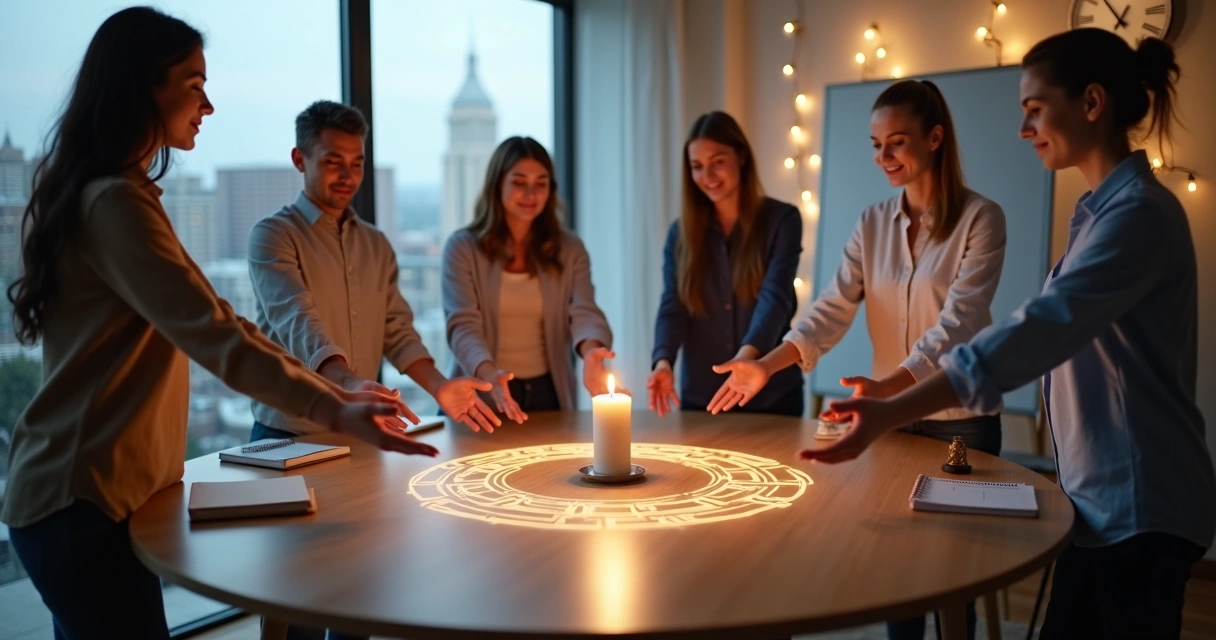

When people from different age groups work together, we often see two things at once. We see rich perspective. We also see friction.
One person wants a quick message. Another wants a full meeting. One values speed. Another values context. None of this means someone is wrong. It usually means people learned to work in different conditions, with different pressures, and with different habits.
Mutual understanding in multi-generational teams grows when we replace assumptions with real contact, clear communication, and shared respect.
In our experience, age diversity becomes a problem only when people stop being curious about each other. That is when labels take over. The older worker is called rigid. The younger worker is called impatient. The team starts reacting to stereotypes instead of reality.
Different ages do not divide teams. Unchecked assumptions do.
Why misunderstandings happen
Many conflicts in age-diverse teams are not really about age. They are about meaning. A short reply may feel efficient to one person and cold to another. A detailed explanation may feel respectful to one person and slow to another.
Communication style is often where tension starts. A study with 334 managers in India found that Millennials were the least satisfied with workplace communication, and that generational group shaped how communication satisfaction affected job satisfaction. We think this matters because people do not only react to what is said. They react to how it is said, when it is said, and whether they feel heard.
We have seen this in ordinary team moments. A project update goes out. Half the team thinks it is clear. The other half still has basic questions. Frustration builds quietly. Then a simple task feels heavier than it should.
Many generational conflicts begin as communication mismatches, not value clashes.
Start with contact, not labels
If we want more understanding, we need more direct and healthy contact between age groups. Not forced bonding. Not polite distance. Real work contact, with room for exchange.
A 2026 survey of 636 retail workers in Australia and the U.S. found that better and more frequent contact with age-diverse colleagues predicted more positive attitudes toward age-diverse teams. Those positive attitudes were also linked with greater job satisfaction and team commitment.
That finding confirms what many teams feel in practice. People fear what they do not know well. Once they work side by side, many judgments lose force.
We can support this process in simple ways:
Pair people from different age groups on short projects.
Rotate meeting roles so different voices lead.
Create peer learning moments, not only top-down training.
Ask people to explain how they prefer to receive updates and feedback.
These actions sound small. Still, they change the tone of a team over time.

Build shared rules for communication
Teams often expect mutual understanding without ever defining what good communication looks like. That leaves each person using their own private standard.
We think it helps to make team agreements visible. These agreements should be plain, useful, and easy to follow.
For example, a team may agree on the following:
Urgent matters go through one fast channel.
Complex topics deserve fuller context.
Feedback should be direct and respectful.
Meeting notes must include decisions, not only discussion.
When rules are shared, fewer people feel ignored, rushed, or confused. We also reduce the hidden emotional load of having to guess what others expect.
Clear team agreements reduce friction because they turn personal habits into shared standards.
Make space for mutual teaching
One of the fastest ways to build respect is to let people teach each other. In many workplaces, younger team members may bring ease with new tools, fast adaptation, or fresh customer language. Older team members may bring pattern recognition, emotional steadiness, or judgment shaped by experience.
Both matter.
We should be careful here. Mutual teaching only works when it is offered with dignity. Nobody wants to feel managed by age. Nobody wants to be treated as outdated or naive.
A simple practice is to create short exchange sessions around real work questions, such as:
How do we handle client tension without escalation?
How do we keep messages brief but still complete?
Which tools save time without harming clarity?
When people contribute from lived experience, respect becomes less theoretical. It becomes visible.
Address emotional reactions early
We cannot speak honestly about multi-generational teams without speaking about emotion. A person may feel dismissed. Another may feel corrected too often. Someone may interpret caution as resistance. Someone else may interpret speed as carelessness.
These reactions are human. If we ignore them, they harden into stories.
Unspoken tension becomes team culture.
We encourage leaders to notice repeated patterns, not just isolated events. If the same two age groups keep misunderstanding each other, there is usually a deeper issue under the surface.
Useful questions include:
What happened in that exchange that felt disrespectful?
What meaning did each person attach to the behavior?
What would respectful collaboration look like next time?
This kind of conversation requires calm leadership. Not dramatic intervention. Just enough structure for people to feel safe telling the truth.

Help leaders model curiosity
Teams watch leaders closely. If leaders joke about age, dismiss concerns, or favor one communication style all the time, people notice. The team learns who belongs and who has to adjust alone.
On the other hand, when leaders ask sincere questions, summarize different viewpoints fairly, and avoid lazy assumptions, the group tends to follow.
We have seen how one leader can shift the tone of a room with a small sentence: “Tell me how you see it from your side.” That sentence does not solve everything. But it opens the door.
Curiosity is not softness. It is discipline. It helps us slow down reactive judgment and look at what is actually happening.
Focus on the work you share
Mutual understanding does not mean everyone becomes close friends. It means people can work together with clarity, fairness, and respect even when their styles differ.
That is why shared purpose matters. If the team only talks about differences, age becomes too central. If the team also talks about what they are building together, perspective widens.
We think healthy multi-generational teams do three things well. They name differences without drama. They set clear ways of working. And they keep returning to the work they share.
Conclusion
To foster mutual understanding in multi-generational teams, we need more than tolerance. We need honest contact, better listening, and communication rules that reduce confusion instead of adding to it.
Age diversity can enrich judgment, learning, and team trust when people feel seen for their contribution rather than reduced to a label. When we create room for mutual teaching and address tension early, teams become steadier and more mature in how they work together.
The goal is not to erase generational differences, but to turn them into a source of better collaboration.
Frequently asked questions
What is a multi-generational team?
A multi-generational team is a group of people from different age ranges working together. This can include early-career workers, mid-career professionals, and older workers with long experience. The value of this mix comes from varied viewpoints, skills, and ways of reading situations.
How to handle conflicts between generations?
We handle these conflicts best by focusing on behavior, communication, and expectations instead of stereotypes. It helps to clarify what happened, what each person meant, and what better interaction should look like next time. Calm conversation and clear agreements usually work better than blame.
What are the benefits of age diversity?
Age diversity can bring broader judgment, stronger learning exchange, and better balance between fresh ideas and lived experience. Teams may also gain more complete problem solving because people notice different risks, needs, and opportunities.
How can I improve mutual understanding?
We can improve mutual understanding by increasing healthy contact, asking more questions before judging, and making communication norms clear. Pairing people across age groups, inviting mutual teaching, and addressing tension early also help people build trust.
What challenges do multi-generational teams face?
These teams often face differences in communication style, comfort with change, feedback preferences, and assumptions about work pace or authority. The challenge is not age alone. The challenge is what happens when those differences stay unspoken and unmanaged.