


We have all been in moments where we talk to our children while checking emails, folding laundry, or while our minds run through to-do lists. In these small daily scenes, it’s easy to forget how powerful genuine listening really is. Conscious listening offers much more than hearing words—it is the foundation of trust, safety, and a deeper connection between parent and child.
The heart of conscious listening
When we talk about conscious listening, we are not referring to simply sitting in silence and waiting for our child to finish speaking. We mean something more active and alive. Conscious listening means being mentally and emotionally present, with all our attention directed to our child in those moments of communication. It requires us to clear mental clutter, resist interruptions, and, most importantly, let go of judgment.
Most children notice right away when our mind is elsewhere. Their stories might stop short, their tone might change, or they might simply wander off, looking for that attentive presence elsewhere. Those first few words may hold a world of hope: “Will you listen to me?”
Small moments of attention build lifelong trust.
We do not need perfection. Children remember how we make them feel more than what we say. By showing them we are willing to listen—with patience, curiosity, and open body language—we create an environment where vulnerability and honesty flourish.
Why conscious listening makes a difference
We have seen that conscious listening impacts parent-child connection on many levels:
- It creates safety: Children who feel heard are less likely to hide their struggles or fears.
- It strengthens self-worth: When parents listen without rushing or judging, children sense their opinions matter.
- It builds resilience: Open communication, even about tough topics, helps kids understand and handle emotions.
- It models respect: When we listen fully, we teach by example. Children learn to listen to others with the same care.
- It prevents misunderstandings: Conscious listening reduces conflicts rooted in miscommunication and assumptions.
Real conversations bloom when both parent and child know that all feelings can be shared safely. This sense of unconditional regard makes all the difference, especially during challenging developmental periods or times of stress.

Listening to more than words
We often believe words are enough. But children—like adults—speak through behavior, tone, body language, and even silence. Conscious listening invites us to notice what is underneath the surface: the sigh before a sentence, the glance to the floor, the quick change of subject. Listening fully accepts unspoken communication.
In our experience, some of the most meaningful moments come when we quietly wait after a child speaks, allowing space for what matters most to emerge. Silence is not awkward—it's an open door.
Children may test whether we are really present by repeating themselves, asking unexpected questions, or simply pausing. If we react with impatience or distraction, we risk closing that door.
The emotional ripple effect
Parents often ask why listening with full attention matters when life feels busy or when a child's stories seem trivial. Yet the effects ripple outward:
- Children show more honest emotions, reducing hidden stress or anxiety.
- Fewer conflicts escalate because both sides understand each other more clearly.
- Children take emotional risks, sharing dreams, worries, and ideas with confidence.
We have noticed that a home where conscious listening is present feels calmer and more respectful. There is a firmer sense of belonging. Children do not have to shout for attention—they know it is available.
Listening shapes the family story.
How to bring conscious listening into daily life
We believe that conscious listening is not a skill to practice just in difficult moments. It thrives in daily routines. Small choices matter.
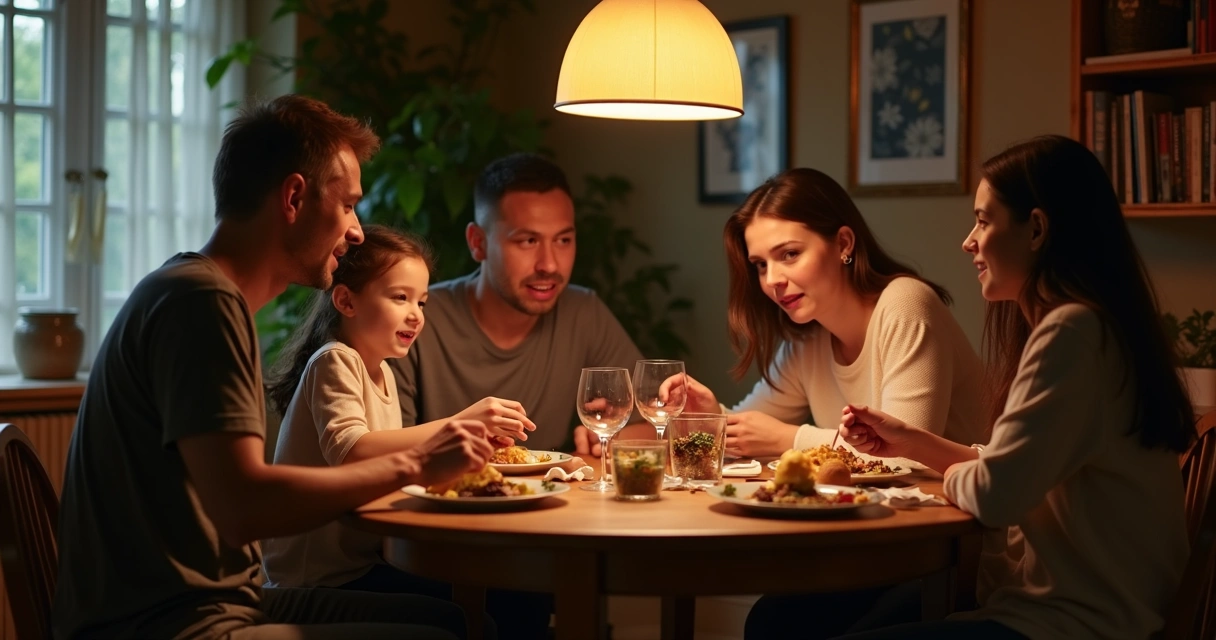
Here are specific, practical ideas for bringing conscious listening to family life:
- Pause what you are doing—turn away from screens or distractions before responding.
- Let children finish their thoughts before jumping in or offering feedback.
- Ask clarifying questions, like "What happened next?" or "How did that feel for you?"
- Notice body language: a frown, crossed arms, or a lack of eye contact can signal deeper feelings.
- Repeat back key ideas to show understanding ("So you felt left out at recess?").
- Accept silence as part of the conversation—it often means your child is thinking deeply.
Listening consciously means giving your child the gift of your full self, even for a few minutes.
An integrative approach: The bigger context
Children exist within a web of relationships—family, school, friends, community. Their stories reflect these worlds, not just individual experiences. When we listen consciously, we honor this complexity.
In our view, conscious listening requires humility. We are reminded that our children are not blank pages, but living stories. Each moment is a chance to connect as equals in humanity, not simply as parent and child.
True listening is a deliberate, ongoing practice. As parents, we do not always get it right. But when we do, it changes everything. Our children learn to trust us with their hopes and mistakes, creating a relationship that matures over time.
Conclusion
Conscious listening is not complicated, but it does take effort and intention. When we choose to be fully present, we tell our children that they matter—not just their words, but their whole inner world. Even brief moments of undivided attention build a foundation of connection, trust, and mutual respect. Over time, conscious listening transforms our daily interactions and strengthens the bond we share with our children.
Frequently asked questions
What is conscious listening in parenting?
Conscious listening in parenting means giving your full attention to your child—present in both mind and body—while listening without judging or preparing a response before they have finished speaking. It involves noticing not only their words but also their tone, emotions, and body language. This creates a safe space where children can express themselves honestly.
How can I practice conscious listening?
Practicing conscious listening starts with simple steps: set aside distractions (like phones), make eye contact, and truly focus on your child. Wait until they've finished speaking before replying. Try asking gentle follow-up questions, summarizing what you hear, and allowing for silences. Small adjustments in body language and patience can make a big difference.
Why does conscious listening matter for kids?
Conscious listening shows children that their feelings and opinions are respected and valued, which builds self-confidence and encourages honest communication. When kids feel heard, they are more likely to trust their parents with their struggles and dreams. It also sets the standard for how they listen and relate to others.
What are the benefits for parent-child bond?
A habit of conscious listening in families brings several benefits: it fosters trust, strengthens emotional security, and makes challenging conversations easier. Children tend to feel closer to parents who truly listen, and conflicts are often resolved more peacefully. Over time, this consistent attention leads to a relationship marked by mutual respect and deeper understanding.
Is it hard to start conscious listening?
It can feel new or even awkward at first, especially if daily routines are busy. But conscious listening is a skill that grows easier with practice—it only takes a few moments of focused attention to begin seeing the difference. Even making space for short, honest conversations every day creates a pathway for connection that lasts.