

We all face moments when life seems to shift beneath our feet. Graduations, first jobs, moving homes, parenthood, retirement, loss, recovery—milestones both joyful and difficult. Such thresholds can feel disorienting, even if they have been long expected. Why do they affect us so deeply? In our experience, it is because these transitions touch our identity, our sense of belonging, and spark questions about who we are becoming.
Conscious rituals act as anchors during times of change, helping us honor what is ending and welcome what is arriving. We have seen how simple yet intentional actions can make emotional and psychological space for growth, clarity, and peace. In this practical guide, we will share how to create conscious rituals, why they matter, and what steps can help you design your own for any life transition—big or small.
Why we need rituals for change
Change, even when positive, can be destabilizing. We leave behind roles, dreams, or familiar routines, and new ones have not yet taken root. What fills the in-between? Too often, it’s uncertainty or regret—or sometimes, numbness as we rush ahead without processing the shift. In this gap, rituals become bridges. They help us:
- Mark the ending of one phase and the beginning of another
- Connect emotions and intentions to action
- Bring unconscious feelings to the surface for conscious reflection
- Align choices with our deeper values
- Invite support from others or from different parts of ourselves
Most people have participated in rituals: birthdays, weddings, funerals, family dinners, religious ceremonies. But conscious rituals differ because we create them deliberately, shaping them to our unique moment, needs, and awareness.
“Rituals can give meaning to change, where otherwise we might feel lost.”
How conscious rituals work
At their best, rituals are not automatic routines. They ask us to pause, witness what is changing, and bring our whole presence to that experience. This process matters far more than any particular activity. The ‘what’ of a ritual might be simple—a candle lit, a letter written, a walk in nature. But the ‘how’ is always intentional.
A conscious ritual is built from attention and meaning, not simply habit or tradition. When we witness ourselves making a choice to let go, to invite in, or to step forward, we strengthen our internal orientation. That is not just comforting—it is empowering.
Building your own conscious ritual
We often notice that the power of a ritual comes less from ornate gestures and more from honest intention. There is no formula that must be followed, though some elements are helpful as a starting guide. Here is a process we recommend:
1. Identify the transition clearly
What is changing in your life? Give the transition a name, even if it is just for yourself. This could be “Leaving my old job,” “Becoming a parent,” “Grieving a loss,” “Turning forty,” or simply “Moving house.”
2. Reflect on what you want to honor
Ask yourself:
- What am I leaving behind? Are there parts I wish to thank or properly let go?
- What am I stepping into? What qualities or hopes do I want to call in?
This step sets a foundation for the ritual’s meaning. Some people write this reflection down; others speak it aloud, or discuss with a trusted friend.
3. Choose the elements of your ritual
Elements should feel natural, not forced. Consider:
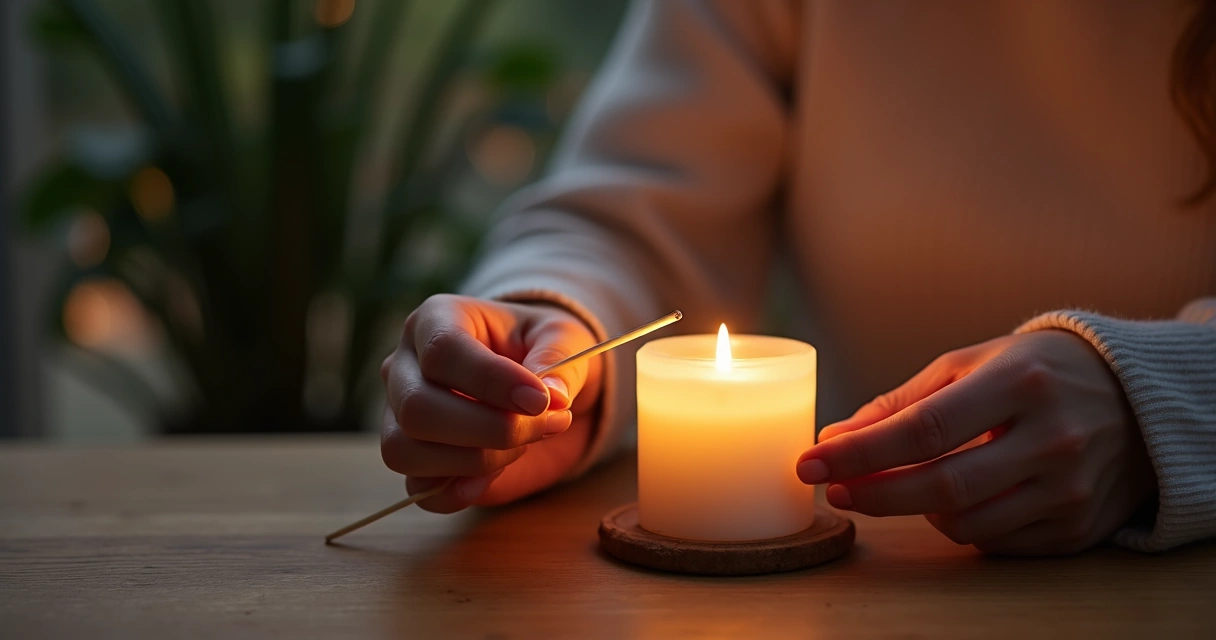
- Lighting a candle, or blowing one out
- Writing a letter and burning, shredding or storing it
- Planting a seed or flower
- Going for a mindful walk, alone or with others
- Creating art or music expressing your feelings
- Building a small altar or special space
- Speaking intentions or wishes
A ritual may last five minutes or an hour. It can be solo or shared. What matters is that each element feels direct and honest to your experience.
4. Set an intention
Every conscious ritual benefits from a spoken, written, or even silent statement of intention that guides its flow. For example: “I honor what has been, I welcome what is coming.” Let this intention be a thread that connects the actions you choose.
5. Carry out the ritual with presence
Turn off distractions, bring your full awareness. Allow yourself to feel whatever emotions arise—relief, sadness, joy, fear, gratitude. You may notice that emotions shift partway through. That is natural, too.
“A meaningful ritual does not fix everything. It helps us move with life, instead of against it.”
6. Close with gratitude or acknowledgment
When your ritual feels complete, pause. Thank yourself, or anyone joining you. Sometimes people like to journal a few thoughts, or enjoy a cup of tea, or simply sit quietly for a few moments. This closing anchors the experience and invites integration.
Examples of conscious rituals for common transitions
We have seen creative rituals for many types of transitions. Each one looks and feels different. Here are a few common examples that may spark your own ideas:
- Graduation or educational milestone: Write a letter to your past self, expressing gratitude for the learning, then speak aloud what you hope for your next chapter.
- Starting a new job: Place an object on your desk that symbolizes your intention for growth or success in this phase. Each day, take a moment to touch or look at it.
- Moving to a new home: Before leaving, walk through each room and thank it for shelter and memories. In the new home, light a candle in each room and speak a blessing or wish.
- After a breakup or loss: Collect objects that remind you of the relationship. Sit with them, let memories surface, then decide whether to keep, give away, or release them as feels right.
- Becoming a parent: Create a family intention statement together. Paint, write or even sing it. Set it in a place where it can be seen, even if only by you.

Making rituals part of life transitions
We often think rituals are for special occasions, but we have witnessed their power with both big milestones and small, daily changes. Some choose to have practices for beginning a new week, ending a project, or welcoming a new season. The best rituals feel alive—they grow and adapt with us.
What matters most is your presence, not perfection. There are no mistakes in conscious ritual—only discoveries. If something feels unfinished, give yourself permission to return to it. If you wish, invite others to support or witness your ritual. Shared presence often deepens the meaning and brings connection.
Conclusion
Transitions are woven through every life. They challenge us, open us, sometimes unsettle us. In our experience, conscious rituals offer a gentle, meaningful way to engage these changes, supporting clarity, emotional movement, and realignment with our values. They invite us to honor what matters, take ownership of our path, and enter the unknown with courage.
“A conscious ritual is not about control. It is about meeting life, fully awake.”
We encourage you to approach your next transition with curiosity. Even a simple ritual, if created with heart and awareness, can turn uncertainty into a moment of meaning and growth.
Frequently asked questions
What is a conscious ritual?
A conscious ritual is an intentional action, often created by an individual or group, that marks or supports a significant change, choice, or transition. Unlike routines or habits, conscious rituals are guided by awareness and purpose, helping to connect our inner experience with practical action and meaning.
How to create a personal ritual?
Begin by naming the specific life transition you are experiencing. Reflect on what you wish to let go of and what you want to welcome. Choose simple, meaningful actions that represent these intentions, such as lighting a candle, writing a letter, or taking a mindful walk. Carry out these actions with full presence, close with gratitude or acknowledgment, and let the ritual fit your own needs and personality.
When should I use a ritual?
You may use a ritual during any moment of change, transition, or decision—large or small. Common times include birthdays, moving, career changes, relationships beginning or ending, illness or recovery, family milestones, or even the start or end of a project. Some people use small rituals to support daily or weekly shifts.
Are rituals helpful for big life changes?
Yes, conscious rituals can be especially supportive during major shifts. They provide a way to process complex emotions, honor what is ending, and actively welcome what begins. For significant changes, creating a ritual that feels authentic and meaningful to you can ease the emotional impact and offer a sense of clarity.
Where can I find ritual ideas?
You can find inspiration for rituals by reflecting on personal symbols, past meaningful activities, or talking with trusted friends and family. Nature, art, movement, writing, and shared conversation often inspire ritual ideas. Trust personal intuition—what feels right and honest for your unique transition is the best guide.