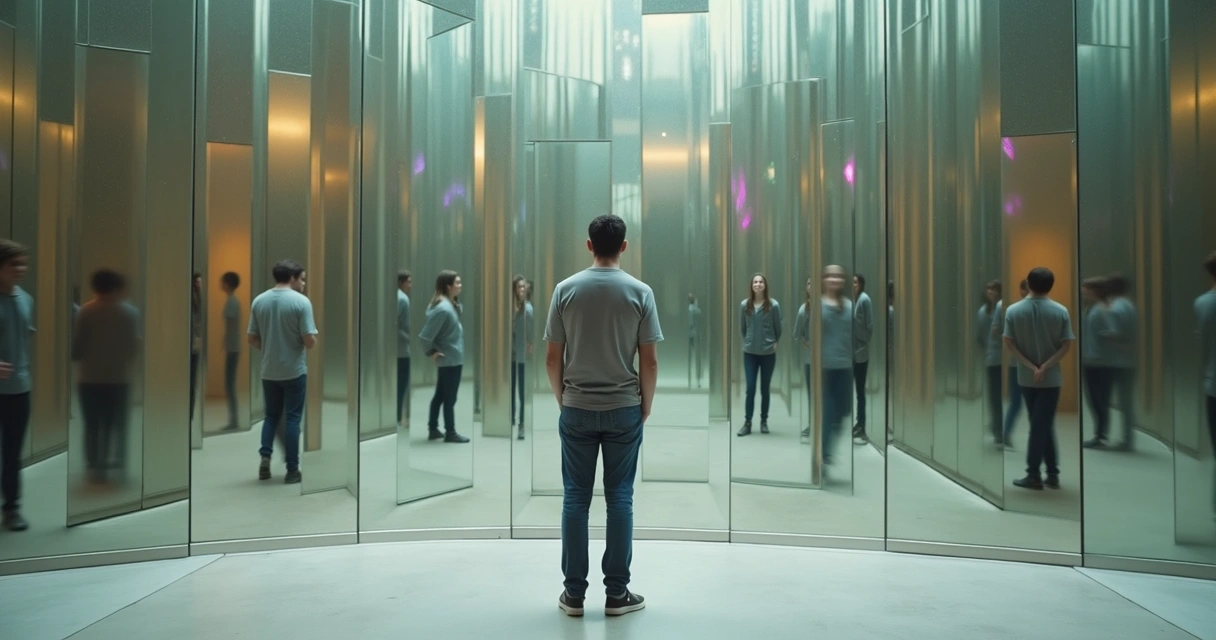
Most of us want to be fair. We want to listen well, judge wisely, and treat people with respect. Yet hidden personal biases can still shape what we notice, what we assume, and how we respond. They often work quietly. That is why self-reflection matters.
Hidden bias is not always loud or hostile. It is often subtle, automatic, and deeply learned.
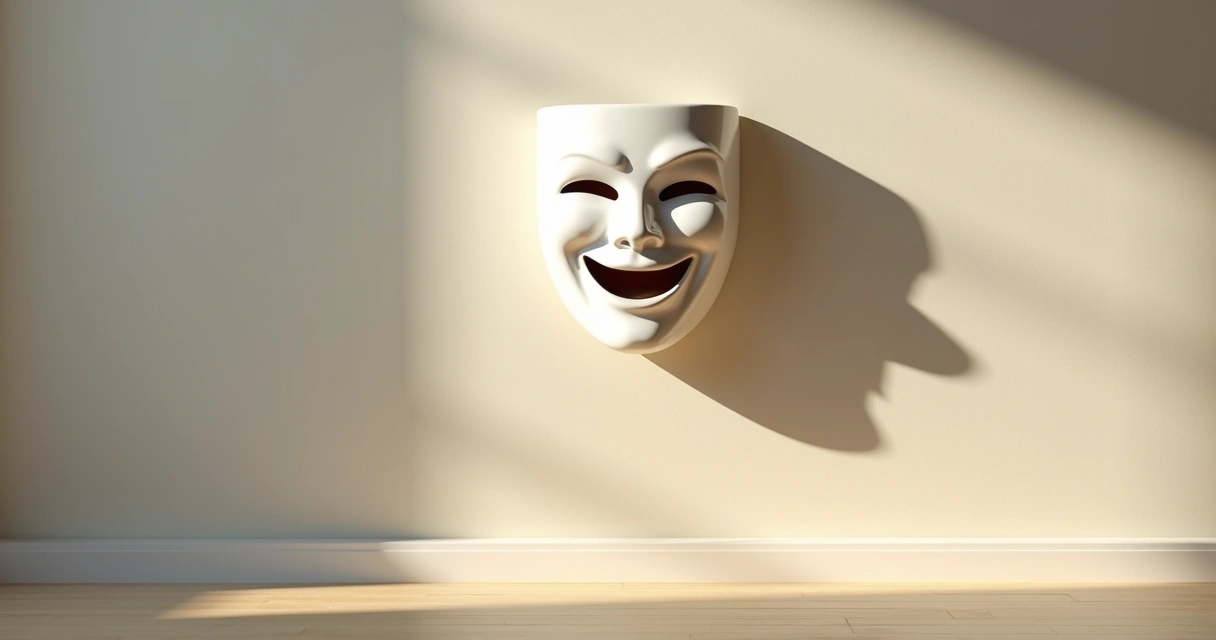
We have seen this in ordinary moments. A person enters a meeting, says one sentence, and we already feel trust, doubt, ease, or distance. Later, we may call that instinct. Sometimes it is. Sometimes it is bias wearing a familiar face.
A Pew Research Center study on implicit racial bias found that about 75% of participants showed some degree of implicit racial bias. That does not mean people are fixed or doomed. It means we are shaped by repeated messages, lived history, and social patterns, often without seeing them clearly.
Why prompts work
Direct self-judgment rarely opens real awareness. It usually triggers defense. Prompts work better because they slow us down and help us notice patterns before we explain them away.
Awareness begins before agreement.
Good prompts do not ask, “Am I a bad person?” They ask, “What is happening in me right now?” That shift changes everything. It moves us from blame to honesty.
1. Who do we trust quickly, and why?
First impressions feel fast because they are fast. Our mind sorts people in seconds. We may feel drawn to someone who speaks like us, dresses like us, or shares our background. We may also pull back from someone who feels unfamiliar.
Ask yourself:
Who tends to feel safe to us right away?
What traits make us assume someone is credible?
Which traits make us hesitate before we even have facts?
This prompt is not about denying natural preference. It is about seeing when preference becomes unfair judgment. If we trust too quickly, we may ignore red flags. If we distrust too quickly, we may block connection and miss truth.
2. When do we become emotionally reactive?
Bias often shows itself through emotion before thought. We may feel irritated, tense, dismissive, or unusually certain. That reaction can point to an old belief we have not questioned.
Strong reactions can reveal hidden stories we carry about other people and about ourselves.
We can ask:
What type of person tends to trigger impatience in us?
When do we feel the urge to interrupt, correct, or withdraw?
What meaning are we attaching to that person in the moment?
Sometimes the issue is not the person in front of us. It is the memory they stir, the fear they touch, or the identity they challenge. That is hard to admit. Still, it is where growth begins.

3. Whose mistakes do we excuse, and whose do we magnify?
This prompt can be uncomfortable. We may be patient with people we identify with and strict with those we do not. The same behavior can look “human” in one person and “proof of character” in another.
We think this question cuts through many illusions because it touches fairness in action. Consider a recent conflict, hiring choice, classroom moment, or family disagreement. Then ask:
Did we give one person the benefit of the doubt more easily?
Did we assume bad intent in someone else?
What was different, beyond the actual facts?
Bias grows in those small uneven judgments. It shows up in tone, patience, and second chances.
4. What assumptions do we make before people speak?
Sometimes we do not wait for real contact. We fill in the blanks. We assume values, competence, motives, or limits based on age, accent, appearance, role, or background.
A broad study tracking implicit attitudes across 33 countries found that some hidden attitudes can shift over time with social influence. That matters because it shows bias is learned, and what is learned can also be changed.
Try this reflection after a new interaction:
Write down your first assumption about the person.
List the facts you actually know.
Notice what came from observation and what came from projection.
This simple practice can be humbling. It can also be freeing.
5. What group stories shaped our view?
No one forms bias alone. Family, school, media, work culture, and community language all leave marks. Some messages were spoken openly. Others were passed in jokes, warnings, silences, and habits.
What was repeated became normal.
We can ask:
What did we hear growing up about people who were different from us?
Which groups were described as admirable, risky, weak, loud, smart, or difficult?
Which of those ideas still live in us, even if we reject them on the surface?
This is not about blaming our past. It is about naming what shaped us so it no longer acts in secret.
6. How do our choices affect others?
Bias is not only an inner issue. It has results. It affects who gets invited, heard, promoted, believed, forgiven, and included. Good self-reflection asks us to look at impact, not just intention.
We may mean well and still create unfair outcomes.
Think about your recent choices in daily life. Then reflect on patterns such as:
Who do we ask for input most often?
Whose ideas do we challenge hardest?
Who receives warmth, eye contact, and patience from us?
One manager once told us, with real surprise, that he prided himself on being open-minded. Then he reviewed who he mentored over three years. The pattern was narrow. He had not noticed it at all. The numbers did.

7. What would change if we were wrong?
This is the deepest prompt in the list. Bias survives when we protect our certainty. If we are willing to be wrong, we make room for truth.
Ask yourself:
What belief about a person or group feels obvious to us?
What if that belief is incomplete?
What new action would we take if we saw the situation more clearly?
This question brings humility into the room. Not shame. Humility. There is a difference. Shame closes us. Humility opens us to correction.
Conclusion
Hidden personal biases do not disappear because we say the right things. They begin to loosen when we notice our reactions, question our assumptions, and take honest responsibility for our impact. These seven prompts help us do that work in a grounded way. Slowly. Clearly. With maturity.
We do not need perfect language or perfect awareness to begin. We need sincerity. A pause before judgment. A willingness to see what usually stays hidden. From there, better choices become possible.
Frequently asked questions
What is a hidden personal bias?
A hidden personal bias is an automatic preference, assumption, or judgment that affects how we see people or situations without full awareness. It may come from past experience, culture, repeated messages, or fear. Hidden bias can shape behavior even when our stated values are fair.
How can I identify my own biases?
We can identify our biases by watching patterns in our reactions, choices, and judgments. Notice who we trust quickly, who makes us tense, whose mistakes we excuse, and whose voice we overlook. Honest journaling, feedback, and repeated reflection can help bring these patterns into view.
Why is self-reflection important for bias?
Self-reflection matters because bias often works below the surface. If we never pause to examine our thoughts and reactions, those patterns keep guiding our behavior. Reflection helps us move from automatic response to conscious choice.
What are self-reflection prompts for bias?
Self-reflection prompts for bias are questions that help us notice assumptions, emotional triggers, and repeated patterns in how we see others. They are tools for awareness. Examples include asking who we trust fastest, what stories shaped our views, and how our choices affect other people.
How often should I reflect on biases?
We think bias reflection works best as a regular practice, not a one-time exercise. A short weekly review can help, and so can reflecting after tense conversations, new relationships, or hard decisions. What matters most is consistency and honesty.