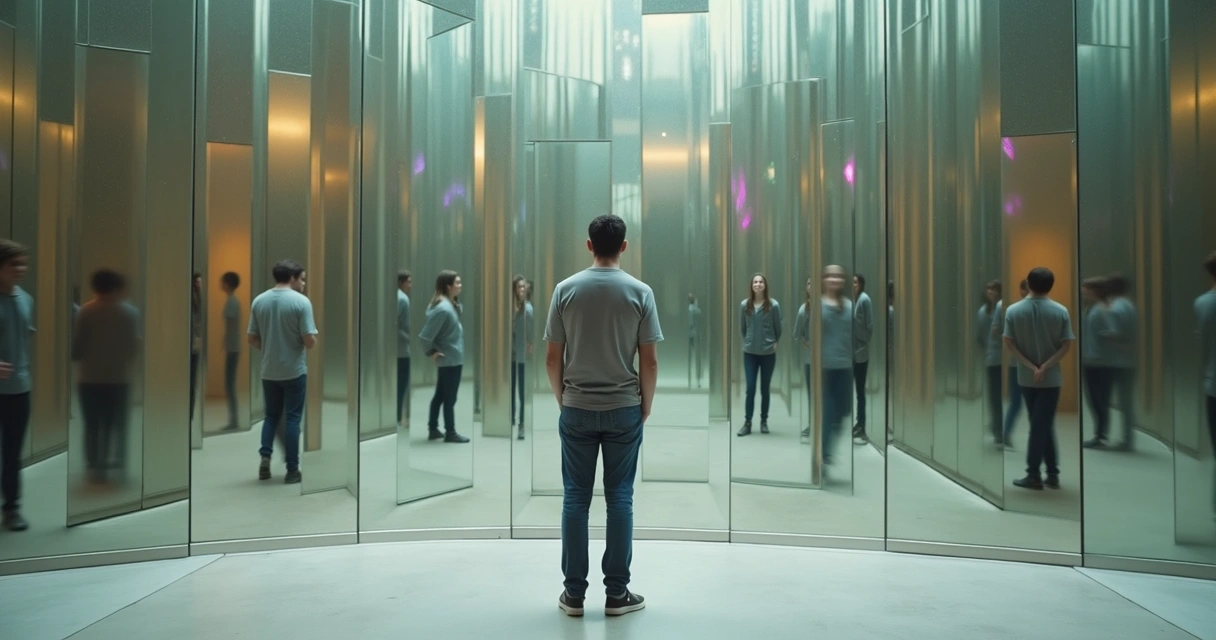


High-pressure meetings have a way of pushing us to our limits. Our minds race, our hearts beat faster, and sometimes it seems like the room gets smaller minute by minute. Yet, we believe these moments are some of the best opportunities to practice what we call conscious presence. But what does that look like—right in the heat of a challenging meeting?
Understanding conscious presence in the meeting room
When we talk about conscious presence, we refer to a state where we are fully aware of what is happening both inside and outside ourselves. We notice our thoughts, emotions, and impulses without letting them take over. We also remain curious and attentive toward others—what is spoken, and what remains unspoken.
Conscious presence is about being grounded in the moment, especially when stress runs high and agendas collide.
According to a 2019 review that mapped 175 studies on workplace mindfulness interventions, developing this presence not only supports well-being but can also improve our responses to pressure-filled environments.
Why conscious presence matters under pressure
High-stakes meetings often trigger old patterns—rushing to defend our ideas, reacting to perceived criticism, or withdrawing if conversations become intense. This comes at a cost. Poor emotional self-regulation affects decisions, damages relationships, and creates lasting impressions that are tough to reshape.
When tension rises, so does the risk of unconscious behavior.
We find that when we access conscious presence, we introduce a pause between stimulus and response. This pause is key. It lets us choose how we show up, allowing for:
- Clearer thinking and communication
- Greater emotional self-control
- Less impulsivity
- A deeper sense of agency
- Improved cooperation and understanding
This is not just our perspective; randomized studies have shown that even brief mindfulness practices can lead to less job strain and better well-being at work.
Before the meeting: Preparing your presence
The work of being conscious does not start after the meeting begins. In our experience, intentional preparation before stepping into a high-pressure environment can shift the entire trajectory of what happens next.
We suggest the following steps:
-
Set an intention: Take a moment to clarify your purpose. Are you there to negotiate, inform, create solutions, or mediate? Having a clear intention acts as an anchor.
-
Center yourself physically: Stand or sit with your feet planted. Take a few slow breaths. Feel the ground. This returns your attention from anxious thoughts to your body, and to the present.
-
Check in emotionally: Ask yourself, “What am I feeling as I go into this?” Naming the feeling—pressure, worry, excitement—reduces its invisible power.
-
Imagine thriving: Visualize yourself facing challenges with calm, responding thoughtfully, listening deeply. This “mental rehearsal” is not just motivational—it helps wire the brain for conscious response.
When we make such preparation a personal ritual before every demanding meeting, we notice more ease and adaptability throughout the event itself.
During the meeting: Staying with conscious presence
The meeting starts. The stakes are real. Maybe you notice your jaw tensing, or your mind filling with replies before others finish speaking. This is the perfect time to come back to conscious presence, even for a second or two at a time.
Conscious presence during high-pressure meetings requires us to monitor, pause, and return—again and again—to the here and now.

We recommend these strategies as the meeting unfolds:
-
Breathe consciously: If you sense tension, slow your breath. One steady inhale and exhale can reset your composure quickly—no one even notices.
-
Soft-focus listening: Practice listening without rehearsing your reply. Focus not just on words, but on tone, facial expressions, and what is not said.
-
Witness your experience: Acknowledge if irritation or defensiveness rises in you, but wait a moment before responding. This internal ‘check’ is powerful.
-
State your intention, if needed: If tension escalates, a simple statement—“I want us to find a solution,” or “I’m curious about your point of view”—can de-escalate the energy in the room.
-
Ground yourself physically: Grip your pen gently, press your feet to the floor, or straighten your back as a reminder that you are here, now, not lost in thoughts or worries.
Research involving thousands of people across different professions suggests that these micro-practices boost stress resilience and mental clarity at work, especially in healthcare and leadership roles (large-scale systematic review and studies with nurses).
After the meeting: Integrating and learning
Too often, we rush from one meeting to the next without pause. Yet, reflecting after a high-pressure exchange can help us grow our conscious presence further for next time.
Meetings are not just events on a calendar; they are learning grounds for awareness.
After each meeting, we suggest taking two or three minutes—even just in the hallway—to do the following:
- Notice how you feel physically and emotionally; celebrate any small moment where you paused and chose your response.
- Reflect on one thing you learned about yourself, and one thing you noticed about group dynamics.
- Name one way you might use conscious presence in a new way during your next high-pressure moment.
We have found that this process not only helps anchor new habits, but it reinforces a deeper sense of agency and clarity moving forward.
What if you lose presence?
No one is perfectly present at all times, especially with competing voices or tight deadlines. When we lose presence—snap at a colleague, zone out, or become defensive—the key is to notice, accept, and gently return. Shame or self-criticism adds even more stress. Return with kindness, as this is how conscious presence grows stronger over time.
Practicing conscious presence as a habit
No strategy works overnight; practicing conscious presence is a commitment to showing up differently, repeatedly, until it becomes second nature.
Integrating even two or three of these practices regularly can create ripple effects for our relationships and results. We have seen meeting cultures shift over weeks when just a few people begin to anchor themselves in the present, rather than in old reactive patterns.

As the evidence continues to grow about the power of workplace mindfulness and conscious awareness, we remain convinced that these tools are not just for well-being but for truly wise, effective action at work.
Conclusion
Every high-pressure meeting is an invitation to step into a deeper field of awareness, both with ourselves and with others. By preparing mindfully, staying present in the moment, and learning afterward, we both survive and can even thrive. Conscious presence is not about performance; it is about showing up with maturity, clarity, and real presence, again and again.
Frequently asked questions
What is conscious presence in meetings?
Conscious presence in meetings means being fully aware of what is happening both inside yourself and in the room, without letting stress or old habits drive your behavior. It involves attentive listening, emotional self-regulation, and the ability to pause before reacting, so you can respond thoughtfully even under pressure.
How to stay present under stress?
We recommend simple practices such as focusing on your breath for a few seconds, anchoring your feet to the floor, paying attention to your physical sensations, and naming your emotions. Even short pauses to notice your experience can help bring you back to the moment. Practice returning to the present gently, without judging yourself for getting distracted.
What are quick tips for conscious presence?
Some quick tips are: (1) take three slow breaths before or during the meeting, (2) listen all the way through before responding, (3) use a physical anchor like touching your pen, (4) state your intention if you feel tension rising, and (5) pause and return to your body whenever you catch yourself losing focus.
Can conscious presence improve meeting outcomes?
Yes, studies show that mindful presence in high-pressure situations can improve mental clarity, reduce stress, and support better decision-making and collaboration during meetings. Individuals and groups practicing conscious presence often report more constructive outcomes and healthier work relationships.
Is it worth it to practice mindful presence?
Based on recent research and our own experience, practicing mindful presence is both valuable and practical. It builds resilience, reduces reactivity, and enhances the quality of meetings and work life overall. The skills carry over into personal life as well, providing benefits beyond the meeting table.