

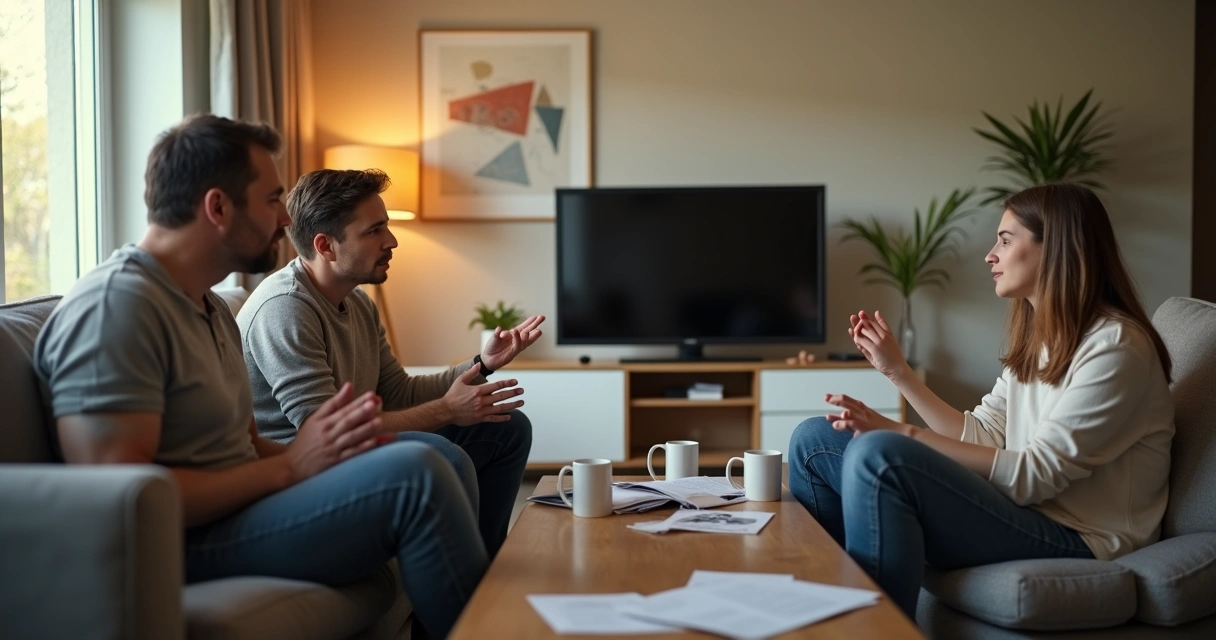
Family life is both meaningful and complex. Emotions run high, past stories linger, and sometimes we find ourselves caught in arguments that seem larger than the moment. Often, at the root of these recurring conflicts is a psychological mechanism called projection. In our experience, understanding how projection works is a key step toward greater self-awareness and harmony in daily interactions. By learning to spot projection dynamics, we can bring more clarity, compassion, and fairness into our family relationships.
What is projection and why does it happen?
Projection, in simple terms, is when we unconsciously attribute our own feelings, thoughts, or motives to someone else. These can be qualities we dislike or deny in ourselves. This often happens under emotional stress, especially in family settings where relationships are close and layered.
Projection acts as a defense system to protect us from uncomfortable inner realities.When we are unable or unwilling to face difficult emotions, we may see them in others instead. This can show up in everyday conversations, turning simple disagreements into draining confrontations.
We meet ourselves again and again in the faces of others.
How projection shapes family arguments
In our observation, family arguments are fertile ground for projection. Old wounds and unspoken needs shape our reactions, and it's easy to lose track of whose feeling belongs to whom.
Here are a few common ways projection appears during family disagreements:
- Assuming a family member is angry with us, when in reality, we are the ones holding anger.
- Accusing someone of being selfish, when we ourselves feel guilty about putting our needs first.
- Judging another for a behavior we secretly wish to allow in ourselves.
- Blaming others for the very anxieties we are trying to avoid within ourselves.
- Reacting strongly to criticism, insisting it says something about the other rather than considering our own sensitivity.

Many of us have found ourselves in these moments, wondering why a simple issue escalated so quickly. When projection is at play, it can create a feeling that the other person is not just disagreeing, but accusing or attacking. This triggers old defensive patterns, leading to a “fight or flight” response rather than a calm discussion.
Recognizing projection in real time
The first step in stopping projection from disrupting family connection is learning to recognize the signs. We encourage everyone to look for these telltale clues during arguments:
- A strong emotional response to something minor.
- Feeling as though the other person's behavior or words are intolerable or “always” a problem.
- A deep need to prove you are right or to make the other “own” an emotion.
- Sudden defensiveness or shutting down, especially if the situation is not new.
- Going over the same argument repeatedly, each time feeling the problem is with the other person.
If you notice one or more of these patterns, it may mean projection is influencing your reactions. It's not always easy to see in the heat of the moment. Sometimes we only realize afterward that our feelings may have been more about us than about them.
Projection hides our pain by placing it outside ourselves.
Steps to break the projection cycle
We think breaking the projection cycle is less about blaming and more about bringing attention back to ourselves and our reactions. Here is an approach that can help create more constructive family discussions:
- Pause and breathe: Before responding with blame or anger, take a breath. This creates a small distance between the feeling and the reaction.
- Ask yourself simple questions: “What am I actually feeling right now?” or “Is this really about the other person, or is there something in me that wants to be seen?”
- Notice repeating themes: Do you find yourself making the same accusation in different situations? This may be a sign of projection.
- Practice honest expression: Instead of saying “You are...”, try “I feel…” This keeps ownership of feelings with their true source.
- Encourage reflection, not accusation: Ask open questions if you see projection happening in others, but avoid blaming language. For example, “Can we talk about what might really be bothering us?”

Over time, these steps can lead to more honest connections. When we take responsibility for our own emotional world, it becomes easier to sort out what is ours to handle—and what is not.
The difference between projection and valid feedback
It's natural to wonder: how can we tell the difference between calling out a genuine behavior and projecting our own issues? In our observation, valid feedback is specific, limited to behaviors, and given with a sense of care. Projection, in contrast, feels generalized, heavy, and often comes with strong emotions that seem “bigger than the moment.”
Valid feedback looks at “what happened” while projection adds a layer of judgment, often tied to our own history.Here are a few comparison points:
- Feedback: “I felt hurt when you interrupted me.”
- Projection: “You never care about what I say!”
- Feedback: “I noticed you were late; is something going on?”
- Projection: “You are always so selfish and irresponsible!”
The tone, focus, and language of each reveal the difference. We suggest returning to facts and personal feelings, rather than launching into statements about the other person’s character or intent.
The benefits of spotting projection
In our experience, families who learn to see and neutralize projection find several positive outcomes:
- Arguments become more focused on the present, not past hurts.
- People feel safer to express their true feelings and needs.
- It becomes easier to break out of repeating, frustrating patterns.
- Family members develop a deeper understanding of each other’s inner worlds.
- More clarity and respect emerge even in disagreement.
The process takes practice, as projection often operates below the surface. By choosing to stop, reflect, and take inner responsibility, we open new paths for authentic family connection.
Bringing awareness into daily family life
Family life is ongoing, not a single event. Opportunities to choose reflection over projection show up in small moments: a sibling’s sharp word, a tense silence at dinner, or a misunderstood request. If we treat these moments as invitations to grow, new possibilities emerge.
Clarity opens when we bring our attention to our own feelings first.
We have seen how, with honest curiosity and patience, families can transform even their most stubborn arguments into opportunities for growth. By spotting projection and making different choices, everyone gains freedom and new understanding.
Conclusion
Spotting projection in daily family arguments is not about blaming anyone. Instead, it is about bringing a gentle self-awareness to our emotional reactions. Doing so can ease tension, open new dialogue, and invite deeper trust. When projection lessens, the space for real connection grows. In our view, this is a daily practice that shapes happier, more mature families—one conversation at a time.
Frequently asked questions
What is projection in family arguments?
Projection in family arguments happens when someone unconsciously puts their own unwanted feelings or traits onto another person during a disagreement. Instead of recognizing, for example, their own anger or insecurity, they accuse others of having those emotions. This can make arguments more confusing and painful because the real issues go unaddressed.
How can I tell if someone is projecting?
You might notice signs like a strong reaction to something small, repeating the same accusations without resolution, or blaming you for feelings that seem out of context. If a family member’s anger or criticism feels out of proportion or unexpected, projection could be involved.
What are common signs of projection?
Common signs of projection include sudden defensiveness, shifting blame quickly, accusations that are more about personality than specific behavior, and an emotional charge that feels larger than the situation. People may also insist something is “all your fault” even when the facts don’t support it.
How do I respond to projection?
We suggest staying calm, pausing before reacting, and gently shifting the conversation back to your own feelings or observations. Using “I feel” statements, instead of counter-accusing, can help lower tension. Sometimes it helps to take a short break before returning to the discussion with a clearer mind.
Can kids also use projection in arguments?
Yes, children can use projection, often without knowing it, such as blaming a sibling for the very behavior they are showing. It usually happens when the child feels overwhelmed or unable to process their own emotions. Patience and guiding questions can support children in recognizing their feelings and learning healthier ways to express them.