
At home, help is often meant as love in action. We step in when our children feel lost, try to ease a partner’s stress, or soften family friction with kind advice. Most of us want to nurture, support, and solve problems. Yet sometimes this urge to help can quietly create confusion. Instead of supporting growth, it blocks the path. Role confusion happens—often unnoticed—when those who care the most muddle the boundaries that allow true emotional growth to happen.
How helping intentions shift into role confusion
We all know the comfort that comes when someone steps in during tough moments. It feels good to be cared for, especially when life becomes difficult. Yet, in our experience, helping can slip into over-functioning. Instead of providing support, we may subtly take over.
- We answer for a child before they get the chance.
- We solve a partner’s emotional distress with solutions instead of listening.
- We step between siblings who argue, imposing peace rather than letting them work things through.
What feels like care can actually steal the room that others need to struggle, reflect, and recover. Role confusion develops when helpers take on responsibilities that belong to another person’s development. Children, teens, or other adults may then feel unsure where their role ends and someone else’s begins.
Growth does not happen in the shadow of rescue.
The hidden side of helping at home
We have seen that whenever a helper’s role blurs with another’s, emotional growth is at risk. The immediate intentions are kind. Yet, something deeper is lost:
- Confidence—when someone jumps in too quickly, children can doubt their own ability to solve problems.
- Emotional resilience—without space to feel discomfort or frustration, others cannot develop internal coping skills.
- Clear boundaries—when helpers do for others what they can do for themselves, roles become ambiguous.
Role confusion disguises itself as help, but it often reflects a difficulty in tolerating others’ discomfort or struggle. Helpers sometimes step in because anxiety arises when watching loved ones face challenges. We notice this especially with parents and children.
When helpers become rescuers, not supporters
There is a difference between supporting someone and rescuing them. Supporters stand by and encourage, while rescuers remove the struggle altogether. The trouble is, rescuing can be a subtle habit.
Sometimes, helpers take over because they believe they know best or want to ensure peace. Other times, they are trying to avoid their own feelings of helplessness. We have observed three common patterns in homes:
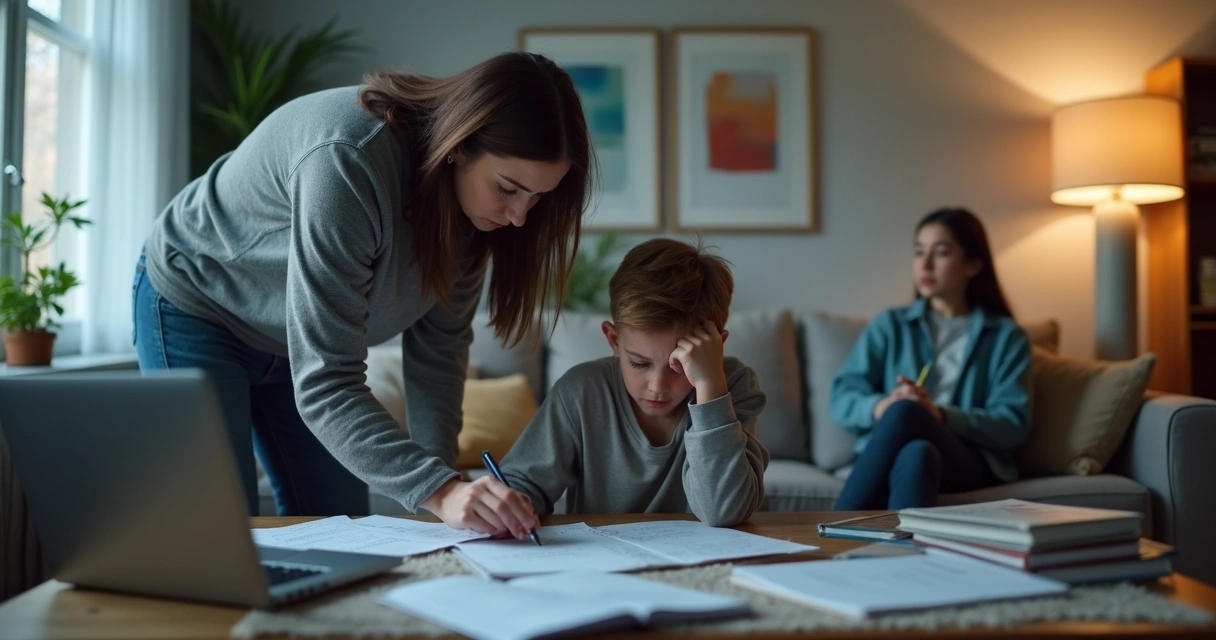
- Over-involvement: A parent does all the homework tasks for their child, believing it will save time or stress.
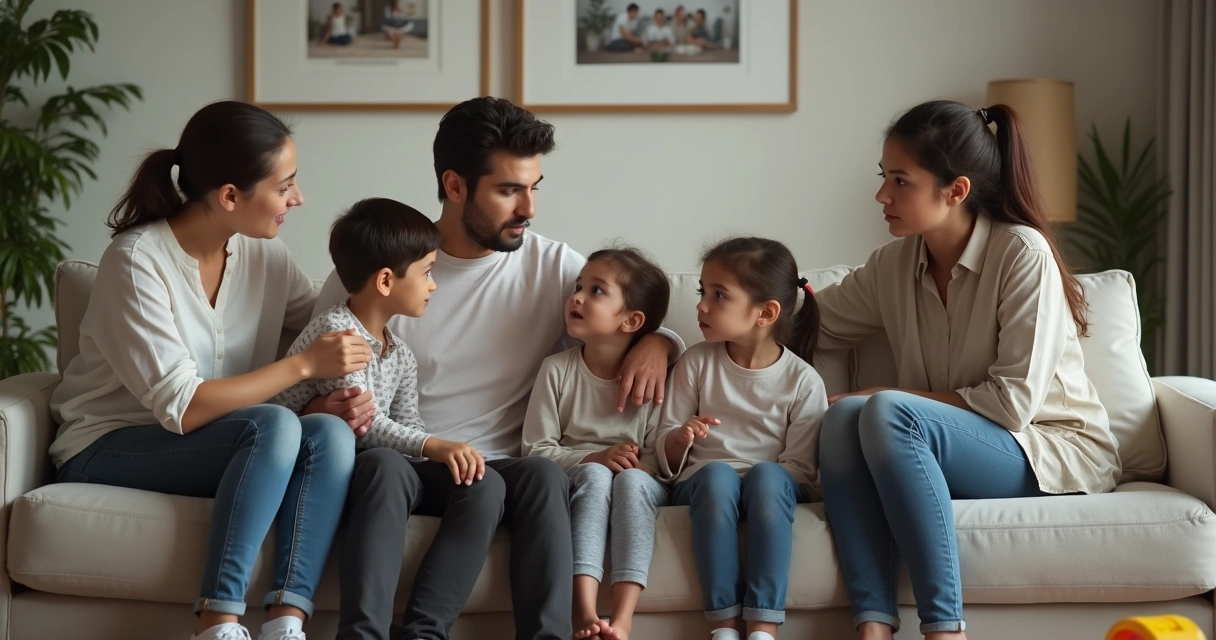
- Conflict avoidance: An adult mediates every disagreement, never allowing the children to attempt resolution.
- Solution focus: A partner cuts off emotional sharing by immediately jumping to advice or fixes.
Children and partners, in these cases, become passive. They watch rather than participate. The opportunity to learn from mistakes is lost.
How role confusion affects emotional growth
The result of repeated over-helping is a household dynamic where people expect intervention, not growth. In our experience, the consequences build quietly:
- Reduced independence—children and adults hesitate to act unless guided.
- Poor self-regulation—others may struggle to manage emotions, relying instead on external help.
- Weakened relationships—resentments can build when personal boundaries feel invaded.
True emotional growth is rooted in experience, reflection, and responsibility for one’s own feelings and actions. Providing room for discomfort, failure, and even small conflicts allows growth to take place naturally.
Why helpers struggle to step back
We find that helpers often act from worry or fear. They may believe that love means removing as much pain as possible. In some cases, helper identities are reinforced from their own history—they may have been raised to feel responsible for others’ emotions.
Some of the reasons helpers struggle to step back include:
- Desire for harmony—wanting everything to go smoothly, fearing conflict or tears.
- Anxiety—feeling uncomfortable seeing someone struggle or make a mistake.
- Needing to feel useful—placing self-worth in “fixing” things for others.
The urge is strong, but the hidden cost can be lasting. When we do not allow others to handle distress, we take away their chance to build emotional muscles.
Shifting from rescuing to supporting
After seeing these patterns unfold, we believe conscious helpers can adopt new approaches that empower everyone in the household. A shift from rescuing to supporting takes intention. It looks like this:
- Listening more than doing—allowing others to express feelings fully before stepping in.
- Asking before helping—checking, “Would you like support, or do you want to try first?”
- Allowing natural consequences—letting small mistakes happen when they are safe, supporting reflection afterwards.
- Celebrating effort—focusing less on outcomes and more on individual attempts to try and cope.
- Modeling self-care—managing our own feelings, so we don’t ask others to soothe our discomfort.
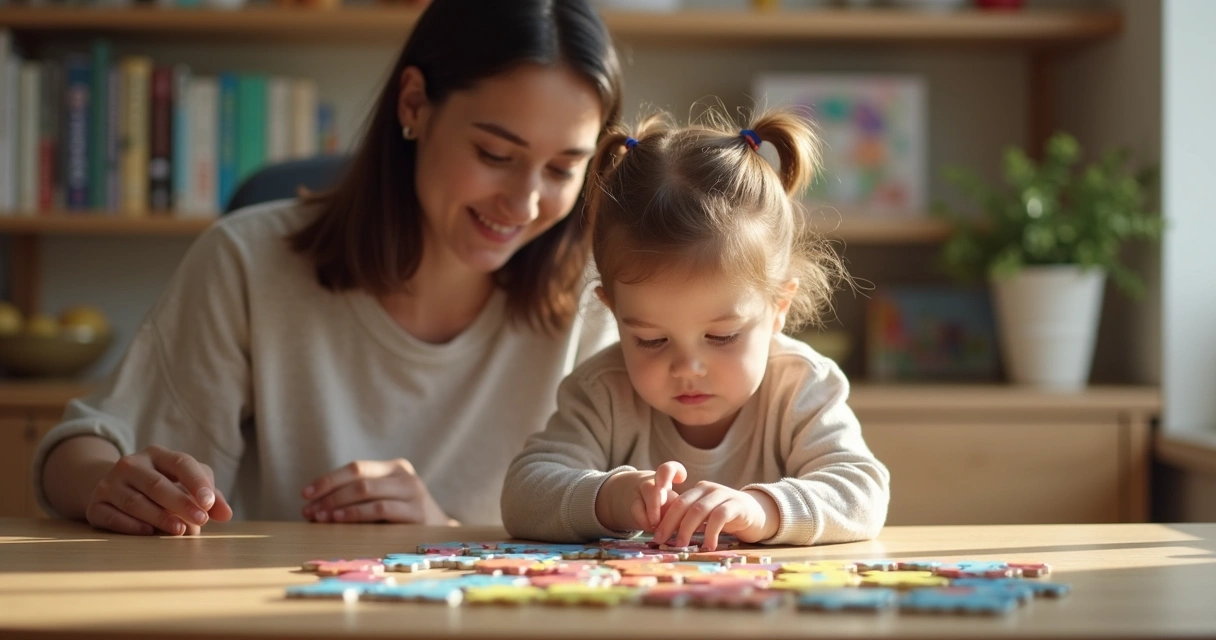
We think families thrive not when everything is perfect, but when everyone has the space to develop inner resources and learn from their own journey. It feels different. It looks different. And it is a much more empowering approach.
Empowering others means trusting their capacity to grow through challenge.
Conclusion
Our impulse to help comes from a good place. But if we do not look at the subtle ways our support can slip into rescuing, we risk hindering emotional growth for those we love. We have found that stepping back, holding healthy boundaries, and allowing others to face their own challenges leads to a stronger sense of agency, resilience, and maturity. By becoming more aware of role confusion, we allow true connection and independent development to flourish—at home and beyond. Growth is not about avoiding discomfort. It is about meeting it, together, with presence and respect.
Frequently asked questions
What is role confusion at home?
Role confusion at home happens when family members blur boundaries and take on responsibilities that belong to others’ personal growth or development. This often occurs when helpers do for others what they could learn to do themselves, making it unclear who is responsible for what in household relationships.
How does helping hinder emotional growth?
Helping can hinder emotional growth when it blocks opportunities for others to try, fail, and recover on their own. If someone always steps in, it can limit the development of self-confidence, coping skills, and independence. Too much help can prevent learning from experience—one of the foundations of emotional growth.
How can parents avoid role confusion?
Parents can avoid role confusion by being clear about responsibilities and encouraging children to tackle age-appropriate challenges. We advise parents to listen, guide with questions instead of answers, and let natural consequences teach where possible. It is helpful to step in only when safety is at risk, rather than to prevent discomfort or make things easier.
What are signs of unhealthy helping?
Signs of unhealthy helping include doing tasks that another family member can manage, stepping in to solve every problem, and feeling anxious when loved ones struggle. Another sign is when others become passive or dependent, expecting help before trying to handle issues themselves.
How to support emotional growth properly?
Supporting emotional growth involves providing encouragement and guidance without removing challenges. This means listening, validating feelings, and giving room for independent effort. The best support allows for mistakes and self-discovery, offering reassurance and reflection rather than immediate solutions.