

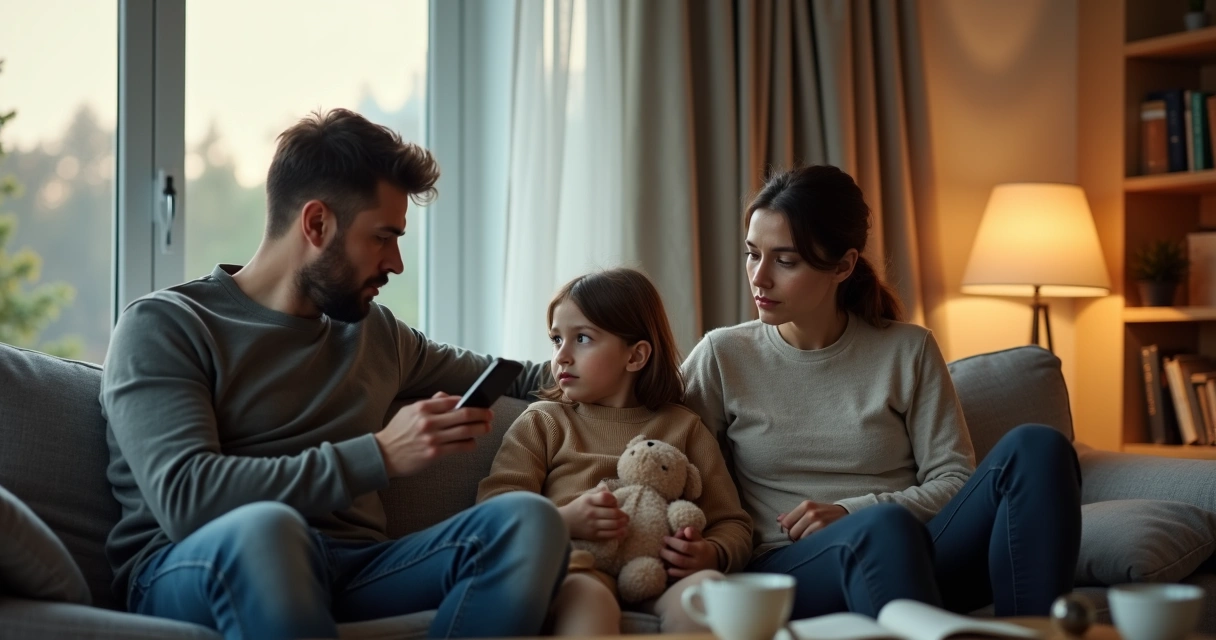
We all grow up in homes shaped by invisible forces. Sometimes, these forces are silent rules and patterns handed down through generations. We rarely talk about them, yet they shape the way we relate, respond, and even the roles we assume within our families. The picture of "parent" and "child" may seem simple at first glance, but as we have seen, these roles are often far from fixed. In our view, every home is a unique ecosystem, operating through a set of scripts that are often unconscious.
The family script is always running in the background.
We believe that by understanding these roles and the scripts behind them, we create space for new choices. Let us look at this hidden architecture that quietly writes the story of our homes.
Recognizing the parent-child roles
In our experience, most people inherit beliefs about what it means to be a parent or a child long before they consciously choose how they want to act. Often, we act out roles without thinking, shaped by the emotional climate in which we grew up. These roles may be passed down like family heirlooms, sometimes without us realizing we've inherited them.
Sometimes, the parent is a caretaker, a decision-maker, or the emotional pillar. Other times, the child is expected to obey, perform, or perhaps even support the parent emotionally. The expectations are not always spoken, but we feel them all the same.
- Some parents take on the role of "rescuer," always solving problems for their children.
- Some children step into the "peacemaker" role, managing tensions between adults.
- There are also the "golden child" and the "scapegoat," roles that track success or failure within the family unit.
Over time, these roles can become rigid, trapping us in ways of relating that prevent growth for everyone involved.
What are unconscious scripts?
We use the term "unconscious scripts" to describe a set of deeply ingrained patterns, beliefs, and expectations that guide family interactions. These aren't usually written down or even spoken aloud. Instead, they show up in how people act, react, and feel within the family space.
Unconscious scripts drive much of what we do at home, often leading us to repeat old behaviors, even when they don't serve us. Scripts can be protective, like teaching a child to avoid conflict because it keeps peace in a tense home. Or they might be limiting, like believing that showing emotion is a sign of weakness.
Most scripts were formed as protective responses to earlier experiences—sometimes in our own childhoods, sometimes even earlier in our families' histories. As children, we absorb these stories, and as adults, we may unknowingly pass them on.
Scripts are less about what we think, and more about what we feel compelled to do.
Spotting scripts in everyday life
When we start to watch our own homes more closely, we often notice familiar scenes replaying again and again. Perhaps there's a script in which a parent avoids discussing anything upsetting, or a script where the eldest child always takes responsibility for the younger ones. Here are some signs you might recognize:
- Feeling stuck in recurring arguments about small issues.
- One person habitually managing the feelings or stress of others.
- Silent agreements never spoken, but always understood: "We don't talk about feelings," or "Success is everything."
- Quick shifts in emotion—laughter masking discomfort, sudden silence after anger.
- Expecting the same reactions every time a certain subject comes up.
These patterns are often seen as "just the way things are." But as we know, they are more than habits. They are scripts that guide behavior, often well below conscious awareness.

Why do we follow these scripts?
In many cases, these scripts began as ways to keep peace, maintain safety, or ensure acceptance within the group. As children, our top priorities are connection and survival. So, we learn to read the needs and moods of our caregivers, adapting quickly to what keeps harmony. Over time, the roles solidify:
- Some become the helper or caretaker, sensing this is how they gain love.
- Others become high achievers to meet a parent’s approval.
- Still others may rebel or withdraw, finding safety in distance.
We repeat these scripts because they help us fit into the family, but as adults, they can limit our freedom to act with conscious choice.
We are not always aware that what feels "normal" at home is actually learned behavior.
Parentification and reversal of roles
Sometimes, a reversal occurs. The child becomes the “parent,” providing emotional or even practical support to the adult. This is known as parentification. We have seen families where the child handles adult responsibilities, soothes an anxious parent, or becomes the decision-maker. While this may help a family function for a while, it often comes at the cost of the child’s own needs and development.
When roles get reversed, the child is carrying a weight that belongs to the parent. Recognizing this pattern is a first step to shifting the dynamic back to balance.
Making the unconscious conscious
We have found that bringing unconscious scripts into conscious awareness allows us to question them. The process is not always comfortable, and sometimes it can trigger resistance, guilt, or even grief. But it is a doorway to change.
- Notice recurring feelings and reactions in family situations.
- Ask yourself, "Whose need am I trying to meet right now?"
- Write down stories or spoken rules from childhood. Are they still true for your life today?
- Talk with family members about patterns you've noticed, and invite their experience too.
Change does not mean blame; it means choice. If we can see our scripts, we can write new ones.
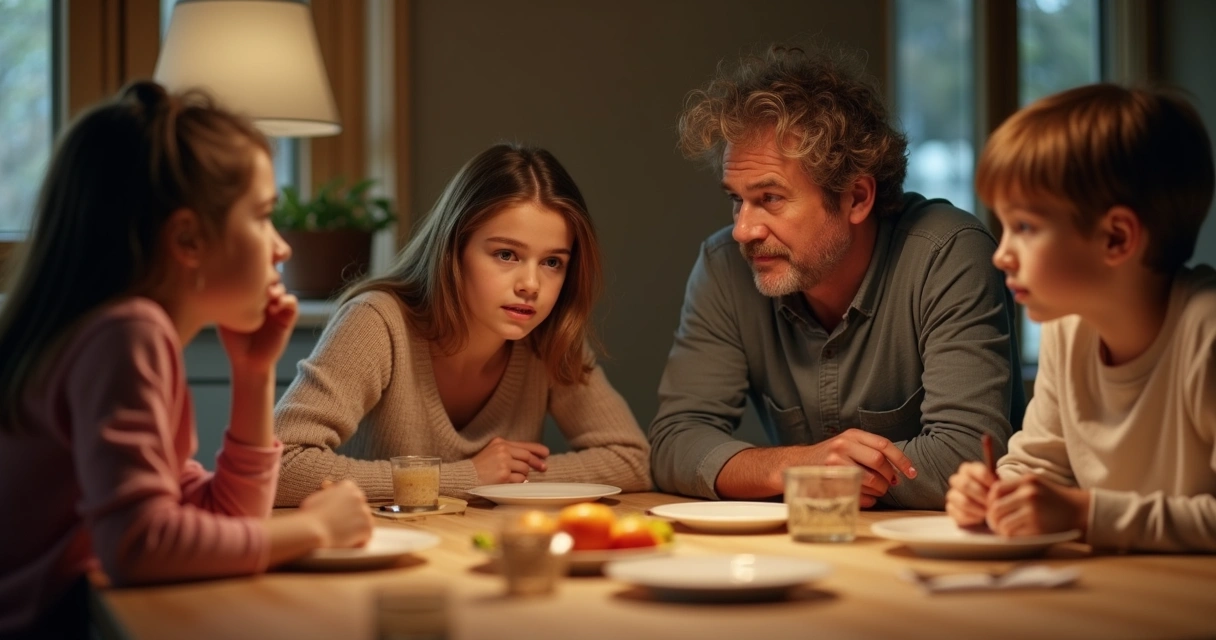
Steps toward healthy roles and conscious choice
Bringing new awareness into our homes starts with small acts. We have seen families make lasting changes by committing to just one new action at a time. Here are some practical steps that can begin to shift the script:
- Name the pattern out loud: "I notice we always do this when stress shows up."
- Set boundaries: Allow each person to own their feelings and responsibilities.
- Encourage open conversation: Ask for input, not just compliance.
- Value each family member's role, but remain flexible when those roles need to change.
- Practice forgiveness, including for ourselves when we fall into old habits.
As these new choices take hold, we often see a ripple effect. Children feel freer to express themselves. Parents find more space to respond rather than react. The family system becomes not just a place to repeat the past, but a field where each member can grow.
Conclusion
Family scripts are rarely chosen on purpose, yet they quietly organize the dynamics of daily life. By paying attention to parent-child roles and the unconscious scripts behind them, we set the stage for transformation. This process asks for courage—to question what feels familiar and to open ourselves to something new. Awareness is the first step, and with awareness comes the power to choose again.
Frequently asked questions
What are parent-child roles in families?
Parent-child roles are the recurring patterns of behavior, responsibility, and emotional exchange between adults and children in a family. These roles shape expectations around who leads, who nurtures, who follows, and how care is given and received.
How do unconscious scripts affect parenting?
Unconscious scripts influence parenting by guiding automatic responses, expectations, and ways of relating. This can mean repeating discipline styles, emotional reactions, and communication habits from previous generations, often without realizing it.
How can I identify my family scripts?
Start by observing repeated patterns in family interactions and your own reactions. Notice situations where you feel compelled to act a certain way or when similar arguments keep happening. Journaling, open conversation, and reflecting on childhood memories also help bring unconscious scripts into awareness.
Why do parent-child roles get reversed?
Role reversal often happens when a parent is unable to fulfill their caregiving role due to stress, illness, or emotional need. Children may step in to provide emotional or practical support the parent is missing, resulting in parentification.
How to change unhealthy family dynamics?
Change begins by recognizing and naming unhealthy dynamics without blame. Encourage open conversations, set clear boundaries, seek support when needed, and practice new behaviors with patience and compassion. Over time, these steps can open the door to healthier roles and more conscious choices.