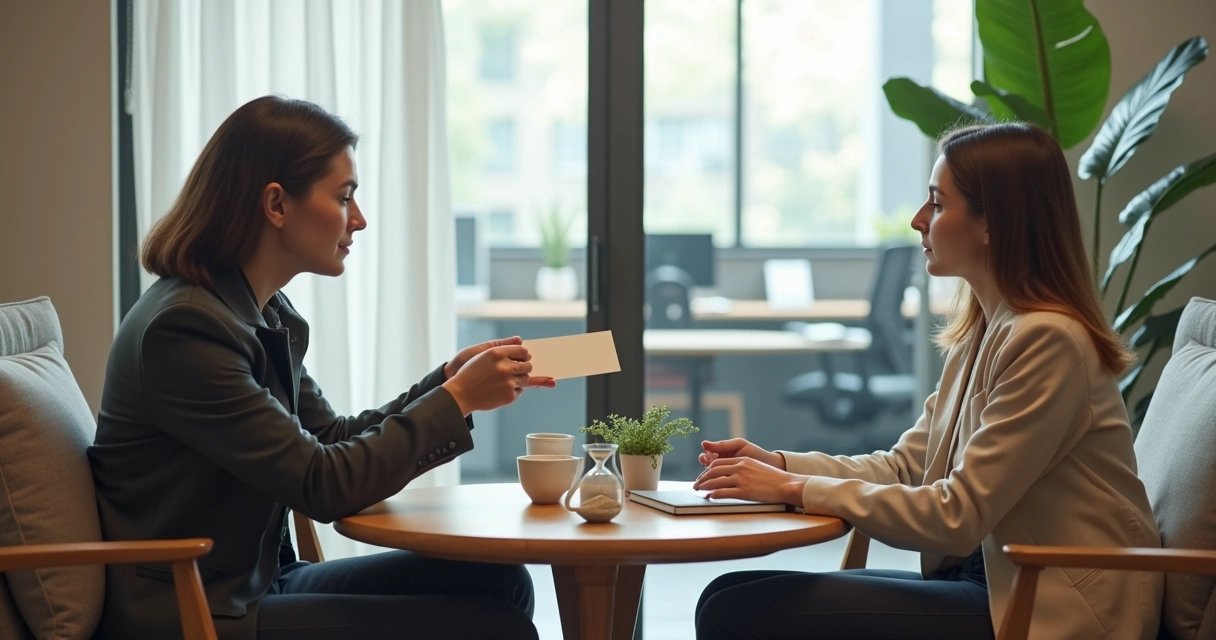

Stress can turn daily decisions into mountains. When emotions are high and time feels tight, many of us slip into old patterns or act on impulse. But we believe that our reactions do not have to control us. We can develop the ability to own our choices, even under the highest pressure. Let us walk through what this really means and how anyone can start practicing ownership in their toughest moments.
Why high-stress moments shape us
Think about the last time your pulse quickened, your voice rose without warning, or you froze in a tough situation. High-stress moments expose our habits: our go-to scripts, beliefs, and sometimes, our regrets. While these situations may only last a few minutes, their effects can linger for hours, days, or even longer if unchecked.
In our experience, each difficult moment is a test of how consciously we relate to ourselves and the world. Stress reveals what we have practiced most, not necessarily what we value most. This gap between habit and intention is often where regret or growth begins.
Pause is power.
The cost of autopilot reactions
We have seen how easy it is to fall into autopilot when under stress. This means acting without awareness, typically led by old emotions or unexamined beliefs. An autopilot response can feel “right” in the moment but often brings guilt, confusion, or consequences we did not really choose.
- Snapping at a coworker or loved one
- Making quick decisions just to escape discomfort
- Withdrawing or shutting down entirely
- Saying “yes” when we mean “no,” or vice versa
- Blaming others for outcomes that reflect our own actions
The price for these patterns can be a sense of disconnection—from others, and from our wiser self. We all know the relief when, instead, we step outside that automatic loop and make a thoughtful choice, even if it’s hard.
What does it mean to truly own your choices?
To own your choices is to stay present with your experience and your options, even as pressure builds. It is not about perfection or cold rationality. It is about recognizing: “This is what I feel right now. This is what I want to do. And this is what I will actually choose, knowing that the outcome is mine to live with.”
Owning your choices is made up of a few core elements:
- Awareness – Noticing what is happening in your mind, body, and environment.
- Responsibility – Acknowledging the power you have in each response, no matter how small.
- Alignment – Acting from your true values and priorities, not just your passing emotions.
Simple but never easy. Still, these qualities can be practiced.

Steps to take ownership in high-stress times
Step 1 – Stop and breathe
It sounds almost too simple, but we find the first move is physical: Halt your body, if only for a second. Take a breath. Ground your attention in the feeling of air coming in and out of your nose. Even three slow inhales and exhales can shift things.
One calm breath buys one clear thought.
When we make space for that pause, we create a tiny gap between stimulus and response. Enough room, sometimes, to find our intention again.
Step 2 – Name what you are feeling
Tension, fear, anger, embarrassment—these can flood in without warning. Naming the feeling to ourselves—“I’m overwhelmed,” “I’m afraid of making a mistake”—can be like turning on a light in a dark room. This act does not remove stress, but it brings order to scattered emotions. We have often noticed that naming our feelings lessens their grip, just by being seen clearly.
Step 3 – Ask what matters most right now
When our heads spin, and many voices seem to shout at once, it can feel impossible to sort what we really want. Ask, gently: “What is truly important to me here?” Not what will stop the discomfort fastest, but what will actually serve our deeper intent? Even naming just a single value—“honesty,” “calm,” “connection”—acts as a guide in confusion.
Step 4 – Consider your choices
Every moment, there are choices available—even if it is just to speak calmly, to ask for space, to say, “I need a minute.” List your choices, even if they seem small or imperfect. This process signals to your brain and body that there is room to choose, not just react.
Step 5 – Choose, own, and move forward
Make your choice clearly. Own it, both the benefits and possible downsides. Speak or act with intention, not by accident. No strategy can promise a perfect outcome, but when we choose consciously and accept whatever follows, there is deeper peace—even if the result is difficult.
Useful tools to practice ownership
To tell the truth, stress brings out old habits fast. We need regular practice to be ready for the next high-pressure moment. Here are a few tools and approaches we have found useful—even if tried for just a few minutes a day.
- Body scan – Taking 2–3 minutes to notice where you hold tension and gently relax it.
- Journaling briefly – Writing down feelings and possible actions before responding.
- Role play or rehearsal – Imagining a difficult conversation and practicing your best response out loud, alone or with someone you trust.
- Simple mantras – Phrases like “Pause and choose” or “I am safe to choose my response.”
- Mental rehearsal – Visualizing yourself pausing, naming your feeling, and acting from your value, just for 30 seconds at a time.

Common obstacles and how to meet them
We know that habits die hard. A few obstacles tend to show up for most of us:
- “I don’t have time to pause.” Stress tricks us into believing that speed is everything. In most situations, even a quick breath buys clarity and is worth it.
- “I don’t want to feel this emotion.” Avoiding feelings often increases their power. Naming emotions gently can reduce their intensity.
- “I can’t change; it’s just who I am.” Patterns from the past may be strong, but we hold the ability to pause, notice, and choose differently—even if it takes many tries to feel possible.
Every conscious choice, no matter how small, builds a new habit for next time. Ownership grows through every attempt, not just through perfect outcomes.
Conclusion
Owning our choices in high-stress moments is not a skill we are born with but something we can each learn and practice, day by day. When we begin to pause, sense our feelings, connect with what matters, consider our options, and step forward with intention, we change not only the outcome but our relationship to ourselves. We become more than our reactions. In difficult moments, we gain freedom—one conscious choice at a time.
Frequently asked questions
What is owning your choices?
Owning your choices means recognizing your power to choose your responses, even under stress, and accepting responsibility for the outcomes that follow. It is the process of moving from automatic reaction to thoughtful action by being aware, intentional, and honest about what you decide to do.
How to stay calm under stress?
We have found that calm starts with awareness. Simple actions like taking slow deep breaths, pausing before reacting, and grounding yourself in the present moment can quickly reduce tension. Bringing gentle attention to what you are feeling and reminding yourself that you are safe to pause allows you to stay calm, even when under great pressure.
Why are choices important during stress?
Choices during high-stress moments often set the tone for our relationships and our own sense of integrity. When we choose thoughtfully rather than act on old habits, we shape both the immediate outcome and our longer-term patterns. These moments can define how we see ourselves and how others experience us.
What are quick ways to manage stress?
A few quick ways include: taking three slow breaths, intentionally relaxing your shoulders and jaw, stepping away for even a short break, or writing down the main feeling you are experiencing. Each of these can create enough space to choose your next action more clearly. Sometimes, just changing your posture or looking out a window for a few moments helps reset the mind and body.
Is it worth it to pause before reacting?
Yes, pausing before reacting gives you the chance to respond instead of react, which leads to choices you are more likely to feel proud of later. Even one or two seconds of pause can change the course of a conversation or decision, lowering the chance of regret and increasing the sense of ownership you feel over your actions.