

Our emotional reactions sometimes feel like they burst out of nowhere. Maybe in a heated family conversation, we notice ourselves snapping back in a way that feels strangely familiar. Or, perhaps, we feel an intensity that doesn’t match the moment. Have you ever paused after an argument and wondered, “Whose voice was that?”
These moments might not be only about us—they could be echoes of generations gone by.
Understanding generational family patterns
Family patterns are ways of feeling, thinking, and acting that pass down intuitively from one generation to the next. Sometimes, these patterns are subtle; other times, they show up as specific habits, beliefs, or even emotional responses. Research, such as the study by Leiden University and the University of Groningen, confirms that both genetics and environment weave together to transmit behaviors through families.
Some patterns help us feel safe or connected. Others may trigger reactions or emotional conflicts that don’t reflect who we are at our core, but instead mirror what our ancestors lived through.
“What we inherit emotionally, we often live out unconsciously.”
How generational patterns shape our reactions
We might imagine ourselves as unique, rational people, making free choices every day. In practice, a large part of our reactions are shaped by experiences we never lived directly. These patterns influence how we see stress, anger, love, and even worthiness.
Family stories become internal scripts. Without conscious awareness, we may replay these scripts instead of responding authentically.
For example, if our caregivers managed conflict through silence, avoidance can become a default strategy without us ever questioning its origins. If emotional expression was discouraged, even a small show of sadness might feel overwhelming or even forbidden.
Identifying the signs: Is it really about you?
We believe it helps to slow down and get curious. Here are some signs that your emotional reactions may be more generational than personal:
-
The reaction feels automatic or outsized for the situation.
If you find yourself overwhelmed, angry, or shut down in everyday situations that probably don’t warrant such a strong reaction, ask yourself: “Is this familiar from somewhere else?”
-
You notice a repeating cycle in your family or relationships.
Patterns of conflict, distance, or silence that echo across generations might not be about the present moment. Instead, they could be the result of inherited responses.
-
You feel like you’re acting out a role, not making a choice.
Do you notice yourself acting in family situations as if you were following a script? This sense of “here I go again” can be a clue that you’re reacting from learned family patterning.
-
You experience guilt or shame for your reactions—without knowing where it comes from.
Guilt for feeling anger or sadness, or a strong wish to “keep the peace,” may have deep roots in generational family loyalty.
“Sometimes, what feels like ‘overreaction’ is a legacy, not a flaw.”
Breaking the cycle: Steps toward conscious choice
Recognizing these signs is a start. With awareness, we can loosen the grip of the past and choose how we want to respond from now on.
We see several steps that help:
-
Pause and name what you feel.
When a big reaction bubbles up, try giving it a simple label: “This feels angry,” or “This feels abandoned.” Naming builds distance and opens space for observation.
-
Ask yourself if the feeling reminds you of a family story or a specific person in your history.
Do these emotions recall the way a parent, sibling, or grandparent used to act? Reflection connects the present with the past.
-
Notice patterns across generations.
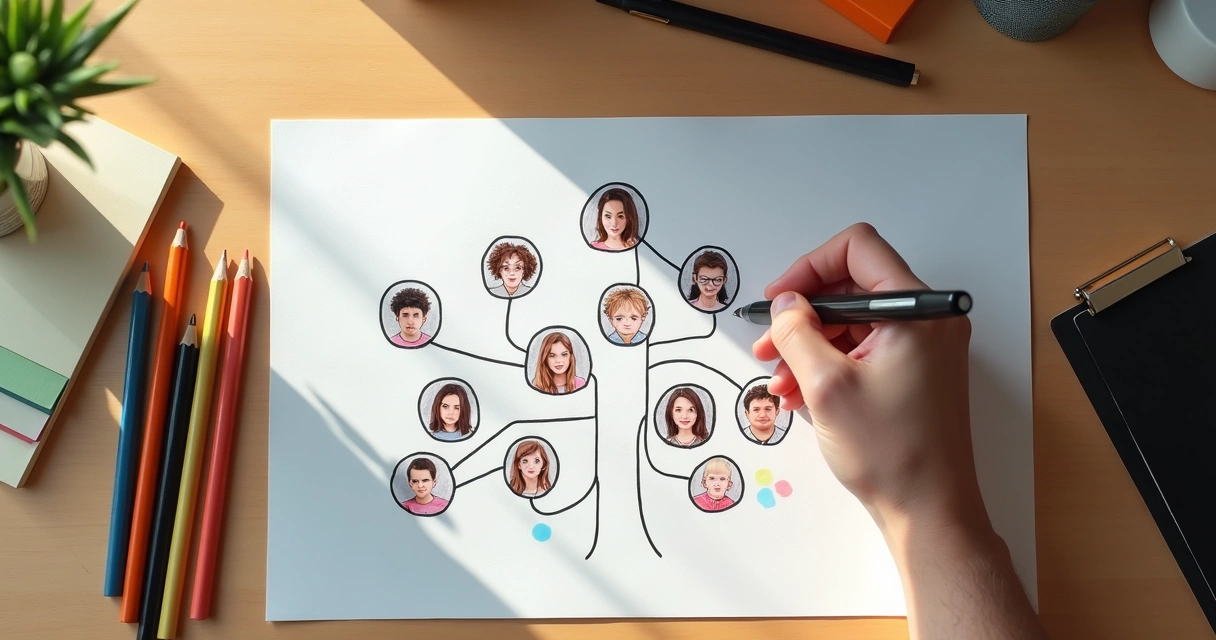
Spend some time mapping out responses you’ve seen repeated in your family system—especially around conflict, affection, or decision-making.
-
Permit yourself to feel differently.
Once the pattern is in the open, say to yourself: “This isn’t mine.” Give yourself permission to respond with honesty, even if it feels strange at first.
-
Choose a new response in small ways.
Tiny changes—taking a breath, stating your needs, or momentarily stepping away—can lay the foundation for new, personal patterns.
Every small step away from old scripts makes room for new stories.
The science behind transmission of family patterns
Studies in the field of genetics and psychology agree that both inherited traits and family environments shape our emotional responses. Findings from the study by Leiden University and the University of Groningen show how problem behaviors often pass from generation to generation through both genes and learned behaviors. So while there’s nothing “wrong” with inheriting patterns, it is possible to bring them to consciousness and make new choices.
We’re not stuck with our inherited reactions, but recognizing them is the first step toward freedom.
Making conscious reactions part of everyday life
It’s easy to feel disheartened when we see how powerful family patterns can be. Yet, we believe in the strength of awareness, reflection, and patience. When we ask questions and pause automatic responses, we stretch possibility.
At home, work, or with friends, this self-inquiry can help us respond with intention, not just reflex. We see ourselves and our families with kinder eyes.
“Awareness offers choice. Choice opens new futures.”
Over time, this work helps us become more authentic—less defined by old echoes and more able to stand calmly in the present.
Conclusion
Generational family patterns touch all of us. When we recognize the signs—that automatic surge of feeling, deja vu in conflict, or the sense of living someone else’s story—we invest in true self-knowledge. Breaking these cycles starts with noticing, continues with naming, and matures in every moment of conscious choice. This work does not just change us; it creates ripples for the generations to come.
By meeting generational patterns with curiosity instead of judgment, we claim the freedom to shape our lives—moment by moment, choice by choice.
Frequently asked questions
What are generational family patterns?
Generational family patterns are emotional responses, behaviors, or beliefs that are unconsciously handed down from one generation to the next within families. They may include ways of handling conflict, expressing emotion, or viewing the world, often rooted in shared family history, environment, or even genetics.
How to tell if reactions are generational?
If a reaction seems automatic, exaggerated for the situation, or reminds you of how a parent, grandparent, or other relatives used to respond, it may be generational. Also, if you notice a similar pattern appearing in your family over time, or feel as if you’re acting from a script, this suggests it may be inherited rather than personal.
Can I break family reaction patterns?
Yes, breaking family reaction patterns is possible. The key steps are raising your awareness, recognizing the signs, and choosing new ways to respond, even in small steps. With time and consistent reflection, you can create new habits that better fit your authentic self.
Why do generational patterns repeat?
Generational patterns repeat because children absorb not just the words, but also the emotional responses and coping mechanisms of their caregivers. Genetics plays a role too, but much repetition happens through modeling, family values, and unspoken patterns of behavior.
How can therapy help with patterns?
Therapy offers a supportive environment to notice and explore these patterns. A therapist can provide perspective, tools, and encouragement as you map out your responses, question old family stories, and practice new choices. This process makes it easier to break free from automatic reactions and form a more conscious, personalized way of responding in life.