

Conflict. Even the word can make us tense up. Yet it is a part of every relationship, workplace, and community. Sometimes, the hardest part isn't the disagreement itself, but what happens afterward—when emotions linger, trust gets shaky, and communication stalls.
We have learned through long experience that fixing a conflict requires more than apologizing or finding a compromise. It calls for conscious conflict repair—a fresh way of seeing, feeling, and choosing during and after disagreements. In our research and practice, we see how powerful real repair can be when awareness, courage, and responsibility come first.
What is conscious conflict repair?
Conscious conflict repair is an intentional process of restoring connection, trust, and clarity after conflict, guided by awareness, openness, and responsibility. It moves beyond “quick fixes” or sweeping issues under the rug. Instead, it asks us to be present with ourselves and each other, to face what happened, and to respond with maturity.
This approach sees conflict as an opportunity for growth. By facing the impact of words, actions, and emotions with honesty, we change the outcome—not just the surface, but deep within ourselves, our teams, and our families.
Why conflict repair matters
Ignoring or poorly handling conflict creates lasting issues. People become distant, workplace teams lose trust, families grow resentful. According to research by the Chartered Institute of Personnel and Development, only 36% of employees who experienced workplace conflict felt it was fully resolved. That leaves most people carrying unresolved tension.
Beyond workplaces, conflict in families, friendships, and organizations—if left unattended—often leads to patterns of avoidance or escalation. Studies indicate that family conflict patterns often settle in standoffs, or in win–loss dynamics, especially between parents and children. This way of “resolving” conflict can lead to alienation, rather than deeper connection.
True repair creates an opening for understanding and change.
How conscious conflict repair works
We believe real repair is a journey. Not a step-by-step recipe, but a living process. It adapts to the people and the context, yet follows core principles we have seen succeed in work, families, and communities.
Awareness comes first
We begin by noticing our own reactions—discomfort, anger, sadness, or defensiveness. Before speaking or acting, we pause. Awareness breaks automatic cycles and opens a window for choice.
Recognizing impact and owning our role
A key part of conscious conflict repair is taking responsibility for our part in what happened, even if it feels uncomfortable. This isn’t about blaming, but about recognizing how our words, tone, timing, or choices may have affected the other person.
Honest and present communication
Repair requires open dialogue. We encourage people to share thoughts and feelings honestly, without attacking or accusing. We start with statements like “I felt…” or “When this happened, I noticed…” We listen to the response. Many times, true understanding arises not from arguing, but from honest presence.
Empathy and perspective-taking
We practice putting ourselves in the other person’s shoes. What might they have felt? What needs or fears were present? This step often leads to surprising realizations.

Repairing action
This is the stage where words turn into new commitments. Sometimes, a genuine apology is needed. Other times, it is a promise to try something different, to revisit boundaries, or to seek support. Repair—done consciously—always involves clear choices, not just soothing words.
Integration and follow-up
Finally, we return to observe: has the repair “landed”? Do we both feel understood? Are there lingering doubts or hurt feelings? This follow-up sustains learning and helps prevent similar conflicts in the future.
The role of emotions and unconscious patterns
We all have automatic responses, shaped by past experiences. When conflict hits, old wounds and reactive emotions often get triggered before we even know it. Conscious repair asks us to slow down and notice—not just what happened, but also what we felt and believed in the moment.
By naming emotions (“I felt dismissed,” “I was afraid you’d be upset”), we take a step toward clarity. We notice our patterns and begin to choose how we wish to act, instead of letting anger, guilt, or shame take the lead.
Awareness turns reaction into responsibility.
Conflict repair in practice: work, family, teams
Conflict repair looks different across workplaces, families, and communities, but the spirit remains the same. In the workplace, studies from the ILR Scheinman Institute at Cornell University show that how organizations respond to conflict shifts as cultures and structures change. However, direct, conscious repair consistently builds stronger teams and greater trust.
In families, we see both standoffs and win–loss patterns when conflict is not consciously addressed. When repair is done with clarity and care, even after difficult arguments, relationships can become stronger, and communication more open.
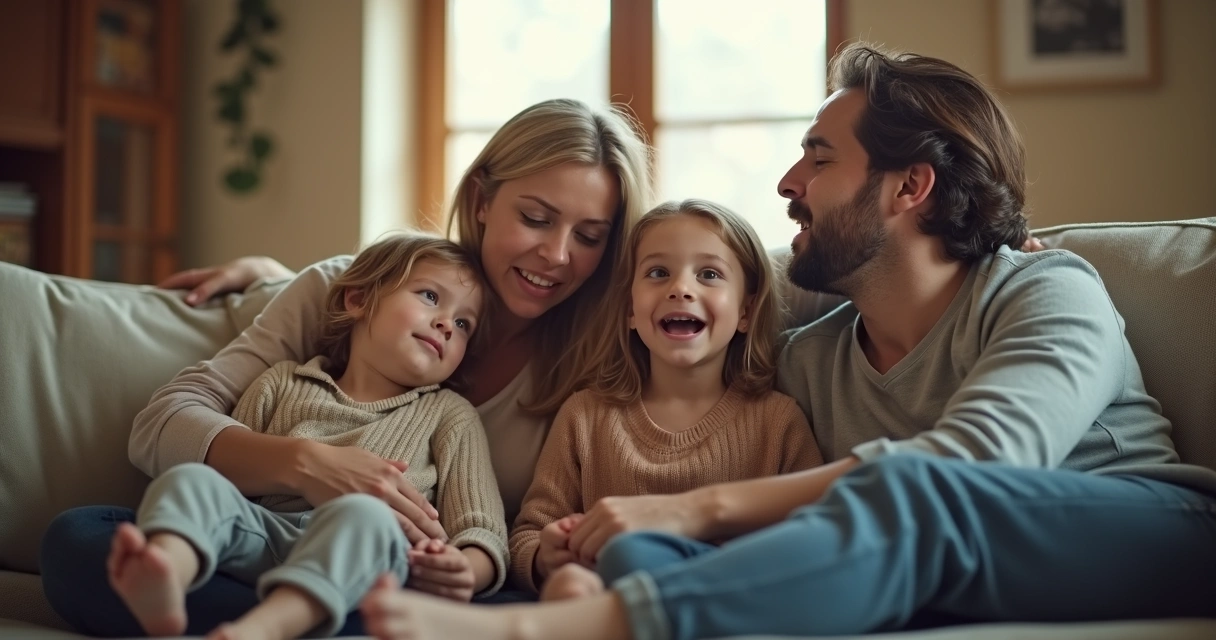
If you have ever seen a team move past an argument and become closer—or a parent and child apologize and laugh after a shouting match—you know the power of real repair. It can bring relief, hope, and new possibility where there was only tension before.
Keys to sustainable conflict repair
Through our years of work, we discovered several elements that make conscious repair last:
- Clear and honest communication: Speak with the intention to be real, not just to “win.”
- Willingness to understand: Listen deeply, not just to answer, but to really understand the other’s point of view.
- Responsibility: Take ownership of your part, no matter how small.
- Kindness and respect: Maintain dignity for all involved, even in heated moments.
- Follow-through: Make sure new agreements are lived, not just said.
When these practices become habits, conflict becomes less of a threat and more of a doorway to new understanding and authentic connection.
Growth lives on the other side of real repair.
Common obstacles and how to respond
Sometimes, repair runs into challenges—hurt feelings, pride, miscommunication. People may feel afraid to admit fault or to open up. When we see this, we encourage a gentle approach. Take space if needed. Use writing to sort thoughts. Seek help if the emotions are too big to handle alone. The goal is not perfection, but progress toward mutual understanding and care.
Conclusion
In our experience, conscious conflict repair is a living process. It asks for presence, self-reflection, honesty, and sometimes courage. The skills may take time to build, but the rewards—renewed trust, relief, and deeper relationship—are worth it for anyone ready to step in with eyes open and heart engaged.
Frequently asked questions
What is conscious conflict repair?
Conscious conflict repair is the process of intentionally healing and restoring relationships after disagreements or misunderstandings. It involves self-awareness, taking responsibility, open communication, and active listening in order to rebuild trust and clarity.
How does conscious conflict repair work?
It works by creating a safe space for honest communication, acknowledging the impact of the conflict, sharing feelings and perspectives, and making clear commitments for moving forward. This process is guided by a willingness to understand, act with care, and follow through so both sides feel heard and respected.
Why is conflict repair important?
Conflict repair is important because it prevents lingering resentment, restores trust, and helps individuals or teams build stronger connections. Without real repair, misunderstandings and hurt can accumulate, damaging relationships and reducing well-being.
Who can benefit from conflict repair?
Anyone who experiences conflict—in families, teams, friendships, or organizations—can benefit from conscious conflict repair. This includes leaders, employees, parents, children, and community members who want healthier, more resilient relationships.
When should I use conflict repair?
Use conflict repair whenever a disagreement, argument, or misunderstanding creates distance, tension, or hurt between people. The process can be used soon after an event, or even later, to restore connection and resolve deeper issues that may remain unresolved.