

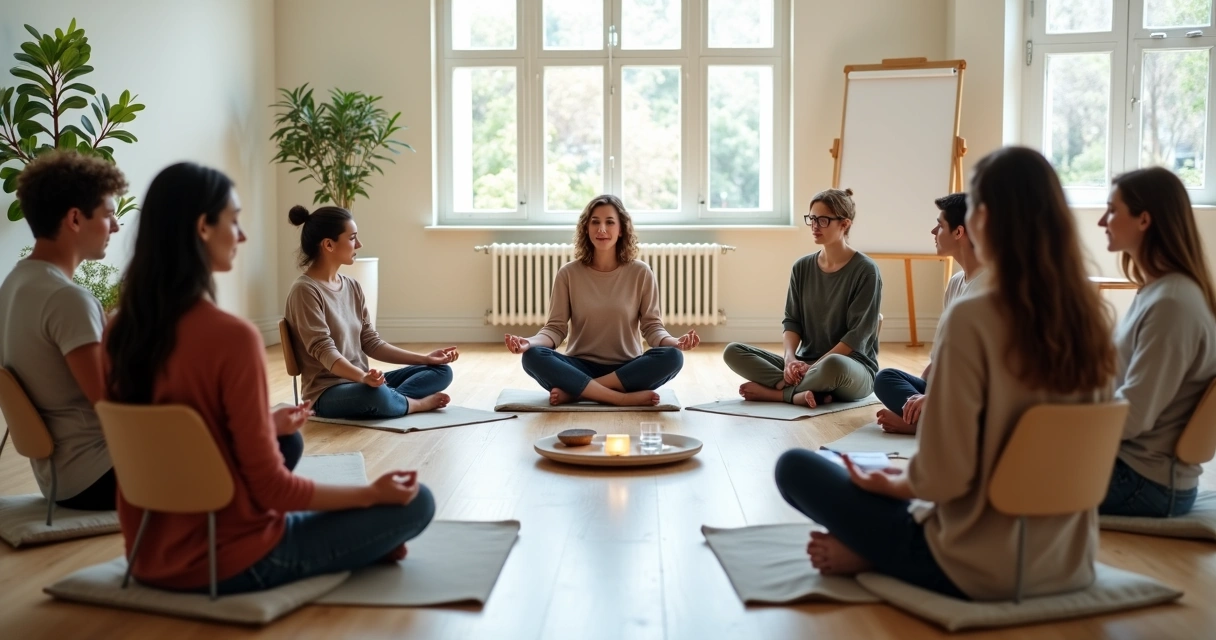
Applied mindfulness has shifted from a personal wellness tool to an influential approach for group facilitation. When we bring awareness and presence to group processes, we gently reshape communication, decision-making, and collective potential. Over the years, we have witnessed groups flourish—not by forcing consensus, but by guiding each member into a present, open state where wisdom and cooperation can surface naturally.
Why mindfulness matters in group facilitation
Groups are living systems. Each participant brings emotional histories, expectations, and unconscious reactions. When unaddressed, these can drive misunderstandings or reinforce old patterns. Mindfulness, applied with intention, does not just calm the surface; it invites deeper listening and shared responsibility. When we practice mindful presence in groups, we observe more accurate perceptions, greater empathy, and increased capacity for authentic dialogue.
Awareness turns distraction into participation.
But how do we apply mindfulness “in action,” while facilitating? It is not about meditation cushions or endlessly pausing discussions. The process is lived in small moments: a breath before speaking, an acknowledgment of discomfort, a pause to sense the group’s energy.
The building blocks: Preparing for mindful facilitation
Before stepping into a group environment, we recommend setting up just a few key foundations:
- Self-check-in: Notice your own inner state. Are you tense, distracted, or calm? Acknowledge any expectations.
- Clarity of intention: Set a conscious purpose for your facilitation; this can be as simple as “supporting open sharing.”
- Environmental scan: Adjust the space for comfort and focus—good seating, minimal distractions, and visible group agreements if possible.
In our work, we have seen that a few mindful minutes before the session can change the entire group dynamic. Arrive a little earlier. Breathe. Listen to the silent cues of the room. This presence will quietly encourage others to do the same.
Step-by-step guide to applied mindfulness in groups
To make this approach practical, we have refined a step-by-step guide that brings mindfulness into every phase of facilitation, from the first greeting to the closing reflection. The steps are not rigid; they serve as a living structure for awareness in action.
Step 1: Welcome with presence
Begin the meeting by arriving fully. Make eye contact, invite quiet for a moment, or even suggest a short grounding exercise such as “Let’s take one breath together.” This is not a ritual but a subtle signal that something different is possible here. If group members are open, a brief body scan can build shared attention.
Step 2: Set joint intentions
Invite participants to voice or reflect on their own intentions for being present. This could be spoken aloud or written down. We have noticed that when intentions are named, even if privately, the group energy becomes more stable and focused.
Step 3: Encourage mindful communication
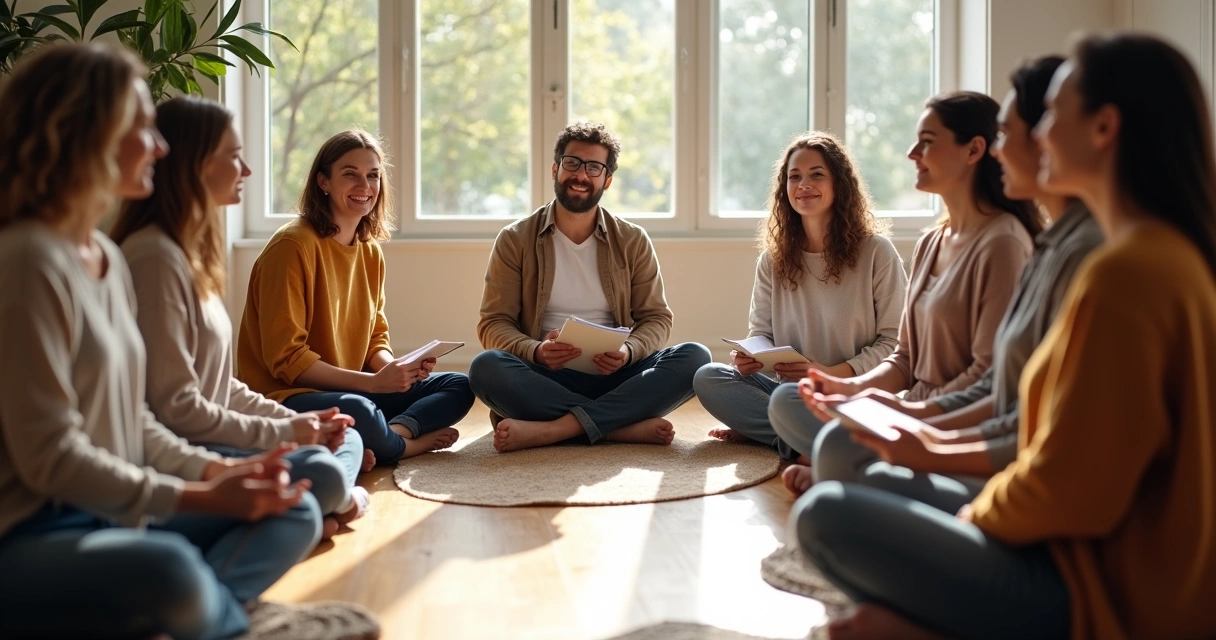
When the discussion begins, model mindful speaking and listening. Speak with intention, avoid interrupting, and invite pauses after someone shares. We recommend clarifying, “Let’s sit for a moment with what was just said.” This pause is powerful.
- Wait before responding; allow ideas to settle.
- Name any strong feelings or tensions, gently: “I sense some hesitation here. Would anyone like to name what’s present for them?”
- Encourage nonverbal check-ins—a thumbs up, a hand over the heart.
Mindful communication is not about slowing down but about allowing real understanding to replace assumptions.
Step 4: Attend to group energy
We pay close attention to group dynamics. Are people restless, withdrawn, or energized? Notice body language, tone, and shifts in mood. If you sense fatigue or agitation, it helps to pause, invite movement, or take a short silent moment. A mindful break does not need to be formal—sometimes, looking out the window together in silence refreshes everyone.
Step 5: Notice your own reactions
As facilitators, our own emotions can surface—impatience, concern, even joy. Recognize these without judgment. It is natural, and when we name this interior process (“I notice I’m feeling rushed, so I’ll slow down a bit”), it makes space for others to do the same.

Step 6: Foster shared responsibility
When mindfulness is steady in the room, responsibility shifts from the facilitator to the group. We ask, “What does this group need right now?” or “How can we support each other in this process?” Over time, this leads to greater collaboration and trust.
Step 7: Close with reflection and gratitude
End with a closing circle: invite each person to name a takeaway or a feeling. If the group is comfortable, a brief moment of gratitude for the space and each other creates a clear boundary between the group time and what comes next in their day.
We end as we began: present, aware, connected.
Common obstacles and how we address them
Applied mindfulness is simple, but not always easy. We have seen a few common challenges:
- Impatience with slowness. Groups used to fast talk may resist mindful pauses. We gently name this as part of the process.
- Discomfort with silence. Some members feel awkward with stillness. We normalize silence as a space for ideas to arise, not a void to be filled.
- Emotional triggers. Mindful presence can surface emotions. We honor these without pushing anyone to share beyond their comfort.
By staying steady ourselves, holding clear intentions, and welcoming whatever arises, our experience is that mindfulness becomes less a technique and more a way of “being together.”
Conclusion
Applied mindfulness in group facilitation is not about enforcing stillness or slowing the process for its own sake. It is about bringing awareness, compassion, and shared responsibility to every moment of group interaction. When we embody these qualities as facilitators, the group naturally meets us there. Our own grounded presence is both an invitation and an anchor. With repeated practice, groups move from routine discussions to meaningful exchanges, where each member feels seen, heard, and empowered to contribute.
If you feel hesitation at first, that is natural. We have seen that starting with small changes—one pause, one intentional breath, one invitation to reflect—can open doors to greater connection and wisdom. Mindfulness in groups is not the goal; it is the path walked together, one present moment at a time.
Frequently asked questions
What is applied mindfulness in facilitation?
Applied mindfulness in facilitation is the practice of bringing conscious awareness and presence to all aspects of guiding group processes. This means the facilitator and participants pay attention to thoughts, feelings, and group dynamics, responding intentionally instead of on autopilot.
How to use mindfulness with groups?
We use mindfulness with groups by creating intentional pauses, encouraging attentive listening, and modeling present-moment awareness throughout the meeting. Small steps such as short breathing exercises, mindful check-ins, and reflective questions help build a culture of presence in the group.
Is mindfulness helpful for group leaders?
Mindfulness is especially helpful for group leaders because it supports clearer decision-making, empathy, and flexibility. It also helps leaders notice their own reactions and guide the group with calm and intention, even in moments of tension or challenge.
What are the best mindfulness techniques?
Some effective mindfulness techniques for group work include:
- Guided breathing or grounding exercises
- Silent reflection before discussion
- Mindful listening rounds (where each person shares without interruption)
- Group body scans or gentle movement breaks
- Intentional pauses after significant moments
How can I start mindful group facilitation?
To begin mindful group facilitation, start by practicing self-awareness and present-moment attention in your own life. Bring one mindful practice—such as a collective breath or a minute of silence—into your next group. Encourage open communication and model mindful behaviors for others. Starting small and staying consistent will gradually build a mindful group culture.